
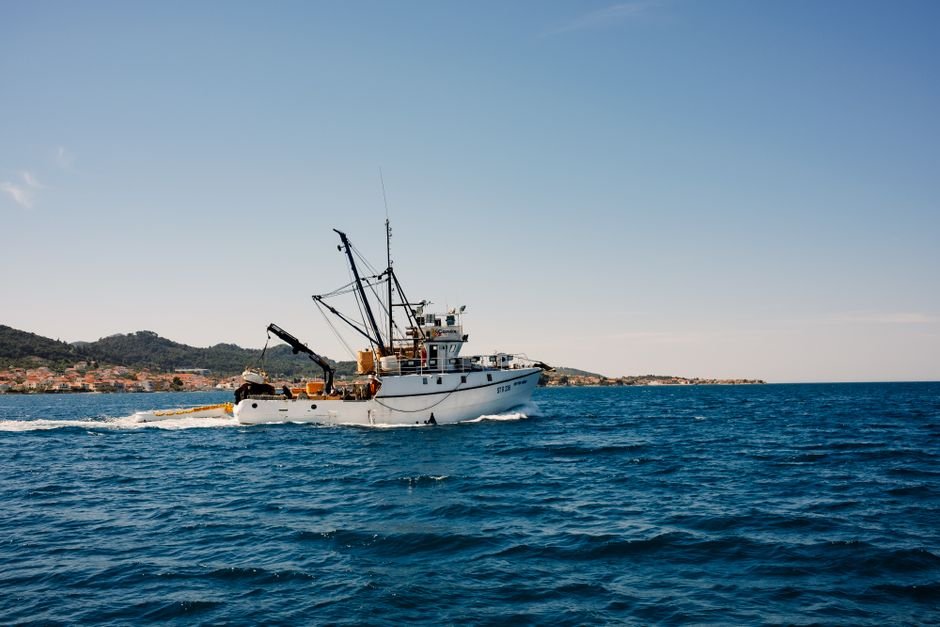
Crucial bilateral discussions between Sri Lanka and India regarding the persistent issue of bottom trawling have been postponed, with no new date currently scheduled for the meeting. The talks were anticipated to address long-standing diplomatic and environmental disputes over destructive fishing practices along shared maritime boundaries, which continue to affect coastal communities and marine ecosystems across both nations.

Bottom trawling has remained a primary point of friction in maritime relations between Sri Lanka and India. The practice, which involves dragging heavy weighted nets along the ocean floor, causes severe damage to fragile marine benthic habitats and depletes fish stocks. Coastal fishing communities and environmental analysts have repeatedly highlighted the ecological strain and economic disruption caused by large-scale commercial trawling operations operating in northern Sri Lankan waters and across the Palk Strait.
Key Developments
- Indefinite Postponement: High-level talks between Sri Lanka and India regarding bottom trawling have been deferred without an alternative date being announced.
- Ecological Strain: Discussions were set to focus on mitigating the destructive environmental impact of heavy seabed trawling on fragile marine ecosystems.
- Diplomatic and Economic Friction: The postponement leaves regulatory enforcement, maritime boundary adherence, and sustainable fishing protocols temporarily unaddressed.
With no official reschedule date established, key questions surrounding policy enforcement, legal frameworks, and sustainable marine resource management remain in limbo. A resolution through renewed diplomatic talks will be essential for safeguarding fragile marine environments and ensuring economic stability for coastal populations relying on these shared waters.