
Public health authorities and policy experts in Sri Lanka are confronting critical questions regarding the overall effectiveness of the country’s long-standing rabies control strategy. Despite decades of targeted interventions aimed at managing free-roaming animal populations and providing post-exposure prophylaxis, concerns continue to grow over whether current operational measures are sufficient to achieve complete disease elimination across the island. The debate underscores persistent challenges in maintaining high-coverage vaccination campaigns, managing municipal resources, and streamlining rural healthcare delivery.

Historically, Sri Lanka’s rabies control efforts have centered on a dual approach combining mass canine immunization with free post-exposure treatment available through state healthcare facilities. However, implementation across different provinces remains inconsistent. While major urban centers frequently receive more direct focus and support from veterinary services and local government bodies, rural and remote regions often face logistical bottlenecks, supply distribution delays, and difficulties in monitoring localized vector populations. This operational divide risks leaving vulnerable communities exposed to potential disease transmission.
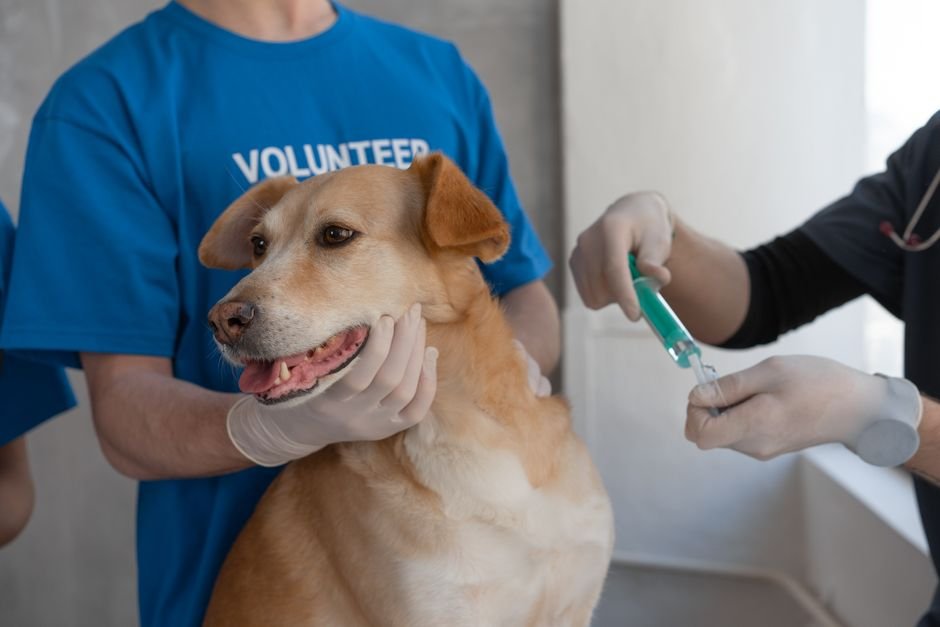
A primary bottleneck in sustaining long-term control lies in the practical execution of humanely managing the stray animal population. Following legislative and policy shifts away from lethal control in favor of mass sterilization and vaccination, municipal councils and local government authorities have struggled to maintain the requisite scale and regularity of population control programs. Without consistent, high-volume coverage, local canine populations fluctuate, placing continuous pressure on provincial health resources and public safety frameworks.
Key Developments
- Comprehensive re-examination of Sri Lanka’s national rabies eradication framework and district-level health delivery.
- Logistical and operational challenges affecting stray animal vaccination and sterilization programs across municipal bodies.
- Strategic emphasis on strengthening inter-agency coordination between health services, veterinary bodies, and local government authorities.
Addressing these systemic vulnerabilities will require a modernized approach to public health planning, improved disease surveillance, and stronger collaboration between state institutions and community organizations. As Sri Lanka seeks to reinforce its preventive health architecture, ensuring equitable access to veterinary care and public awareness will be crucial to securing long-term safety across all districts.