
Sri Lanka is navigating a series of significant legislative, judicial, and economic developments as national authorities advance new reforms and monitor critical public health and environmental trends across the island and the wider South Asian region.

In legislative and legal proceedings, Parliament is scheduled to debate the Anti-Corruption Bill, marking an important step in national governance. Concurrently, legal developments have seen the reinstatement of a six-year prison sentence for Gnanasara Thera. On the social welfare front, initiatives include addressing substance abuse through a designated four-tier social structure designed to combat drug abuse across communities.
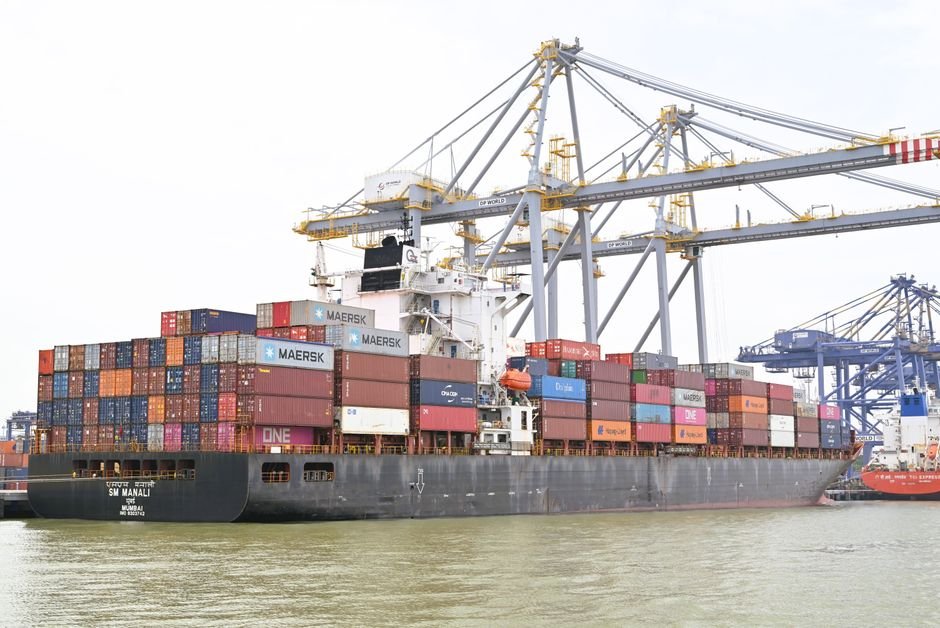
In maritime infrastructure and commerce, Hambantota Port has achieved a major operational milestone by breaking through the one million TEUs threshold. Meanwhile, environmental and regional developments highlight South Asia as a rare coral recovery success story, alongside the ongoing post-war restoration of Kumana. On the technology front, discussions continue on how artificial intelligence could transform developing economies, even as health authorities monitor Sri Lanka’s status among 21 countries reporting rising HIV cases.
Key Developments
- Parliament prepares for an upcoming debate on the Anti-Corruption Bill.
- The judiciary reinstates a six-year prison sentence for Gnanasara Thera.
- Hambantota Port achieves a major operational benchmark, surpassing one million TEUs.
- Implementation of a four-tier social structure aimed at combating drug abuse.
- Sri Lanka identified among 21 nations observing rising HIV cases.
- Environmental focus highlights South Asia’s rare coral recovery and post-war restoration efforts in Kumana.
- Recognition of Sri Lanka as South Asia’s most favored nation alongside international spotlights on local wildlife wonders and the economic transformative potential of artificial intelligence.
These concurrent milestones reflect ongoing transitions across Sri Lanka’s institutional, trade, and conservation landscapes as policymakers and regional stakeholders address pressing domestic priorities and broader developmental goals.