
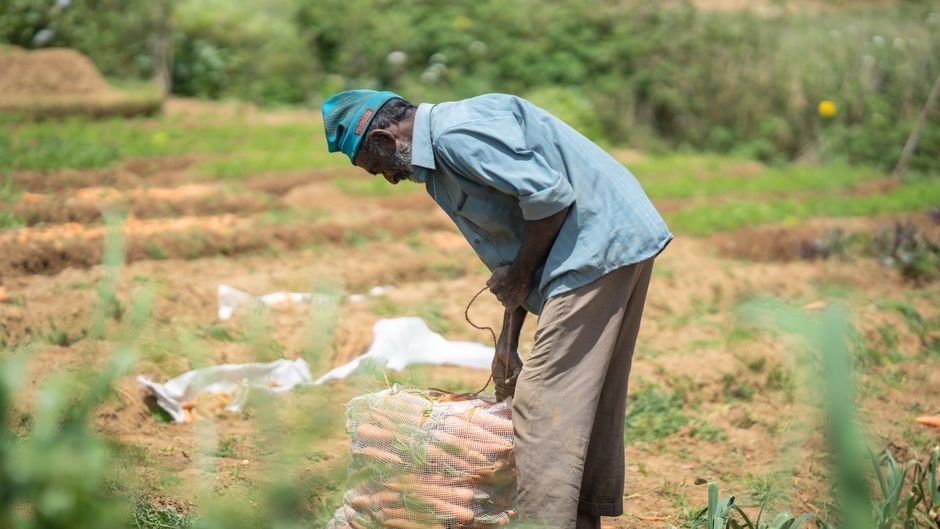
Sri Lanka is placing a strategic emphasis on transforming its agrifood sector through the expansion of high-value and export-oriented agribusinesses. As the island nation seeks resilient pathways for long-term economic revitalisation, transitioning from traditional production models toward market-driven, high-value commercial agriculture has emerged as a essential priority. By enhancing yield quality and tapping into lucrative international commercial channels, the country aims to maximize foreign exchange earnings while strengthening rural livelihoods.

The ongoing structural shift centers on expanding Sri Lanka’s agricultural output beyond staple cultivation toward high-value produce, including specialized spices, processed food products, tropical fruits, and high-demand commercial crops. Improving quality compliance, adopting modern post-harvest processing technologies, and building robust value-addition capabilities are fundamental elements of this economic drive. These measures aim to empower local producers and commercial enterprises to meet strict international standards and compete effectively in global supply networks.
Key Developments
- Focus on High-Value Exports: Prioritizing the cultivation and processing of high-margin agricultural products to boost export revenues and trade performance.
- Sector Modernization: Incorporating modern post-harvest technologies, strict quality control standards, and sustainable farming methods across cultivation zones.
- Value Chain Integration: Strengthening connections between local growers, domestic processors, and global buyers to build resilient agricultural supply chains.
Unlocking the complete capability of the Sri Lankan agrifood sector will depend on sustained investment in agricultural infrastructure, technology adoption, and capacity building. By creating a commercial environment that encourages innovation and value addition, Sri Lanka seeks to establish a dynamic, export-ready agribusiness framework capable of supporting broader economic stability.