
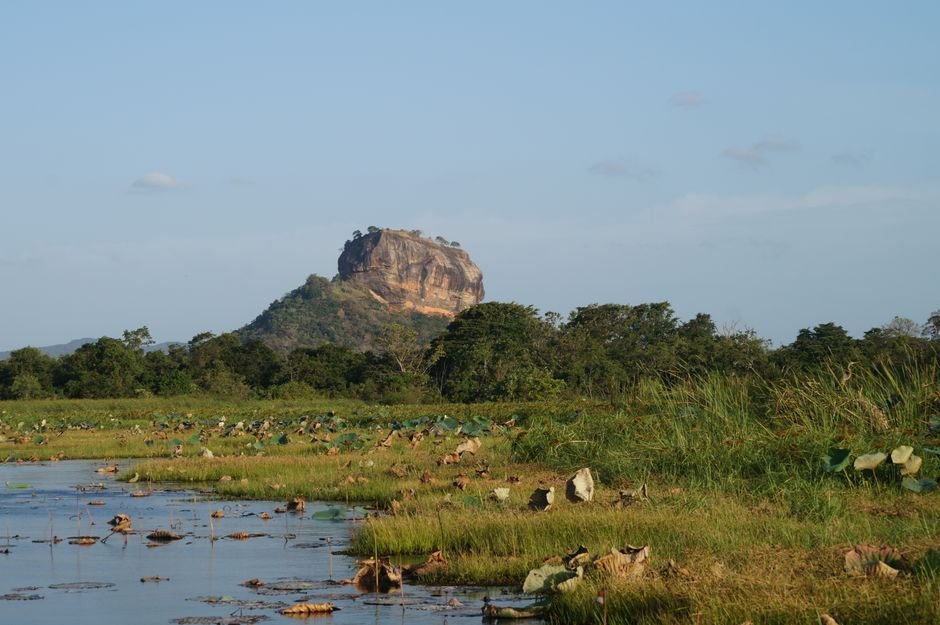
Sri Lanka continues to captivate global travelers by showcasing a distinct combination of rich historic heritage and extraordinary biodiversity within a single island destination. Renowned for its ancient ruins and wild nature reserves, the nation offers an immersive journey through time and wilderness, where centuries-old stone monuments stand alongside expansive national parks famed for leopard safaris.

The island’s rich cultural heritage is reflected in its vast archaeological sites, which reveal sophisticated historical architecture, intricate stone carvings, and deep-rooted religious legacies. These monuments provide crucial insight into the early civilizations that shaped the region’s historical narrative, drawing heritage enthusiasts from across the globe to explore its ancient urban centers and sacred landmarks.
Equally central to the island’s appeal is its vibrant wildlife sector. Guided safari expeditions across key national parks offer visitors rare opportunities to observe elusive leopards, wild elephants, and diverse fauna in protected, natural habitats. The balance between safeguarding these critical habitats and promoting world-class safari experiences remains a vital aspect of the nation’s eco-tourism framework.
Key Developments
- Historical Heritage: Conservation and celebration of ancient ruins that highlight Sri Lanka’s architectural and cultural history.
- Wildlife Expeditions: Safaris focused on biodiversity, offering structured viewing of leopards and endemic wildlife in protected parks.
- Integrated Tourism Model: Strategic positioning of the island to deliver both cultural exploration and nature-based wildlife adventures.
As interest in multi-faceted international travel continues to rise, the seamless combination of ancient ruins and wildlife safaris reinforces Sri Lanka’s position as a premier global destination. The dual emphasis on heritage preservation and environmental conservation ensures that both its historical treasures and wild ecosystems remain protected for future generations.