
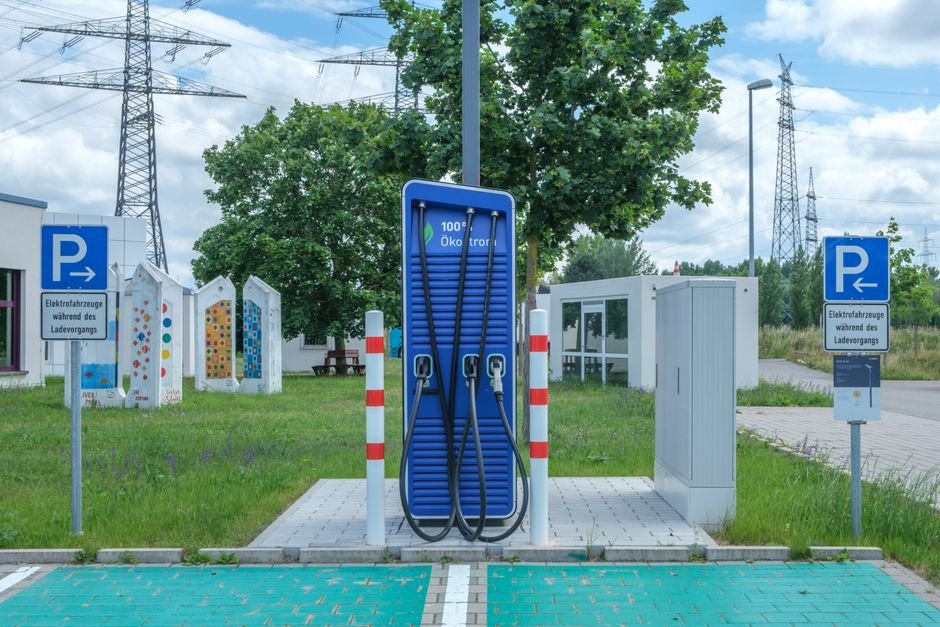
The Government of Sri Lanka has urged citizens to curtail fuel consumption, avoid peak energy-demand periods, and transition toward fuel-efficient and electric vehicles as the country accelerates its shift toward cleaner energy sources. The call to action comes alongside major state-led initiatives designed to enhance national energy infrastructure and reinforce long-term energy security.

Speaking at the commencement of construction for new petroleum infrastructure at Muthurajawela, Minister of Energy Anura Karunathilaka emphasized that price controls alone cannot guarantee energy stability. Stressing that reducing domestic consumption is equally critical, Karunathilaka noted that the public bears a substantial responsibility in managing energy usage. He advised consumers to modify daily consumption patterns, reduce pressure on the grid during peak demand, maximize electricity usage responsibly, and embrace electric mobility as solar power and electric vehicles take center stage in the national energy transition.
Key Developments
- Renewable Energy Target: The Government plans to integrate 1,200 megawatts of solar power capacity into the national grid by 2029 as part of its renewable expansion roadmap.
- Jet A-1 Aviation Fuel Infrastructure: Construction has begun on a dedicated aviation fuel project at Muthurajawela featuring five storage tanks with a combined capacity of 92,000 cubic metres, connected to Bandaranaike International Airport in Katunayake via a 21-kilometre underground pipeline.
- Expanded Petroleum Capacity: Ceylon Petroleum Storage Terminal Limited is building three additional storage tanks at Muthurajawela, boosting Sri Lanka’s petroleum storage reserves by 40,000 cubic metres.
President Anura Kumara Dissanayake, who also attended the launch event at Muthurajawela, affirmed that the administration remains committed to preserving a strong state presence within the energy sector while delivering efficient, reliable services to the public.