
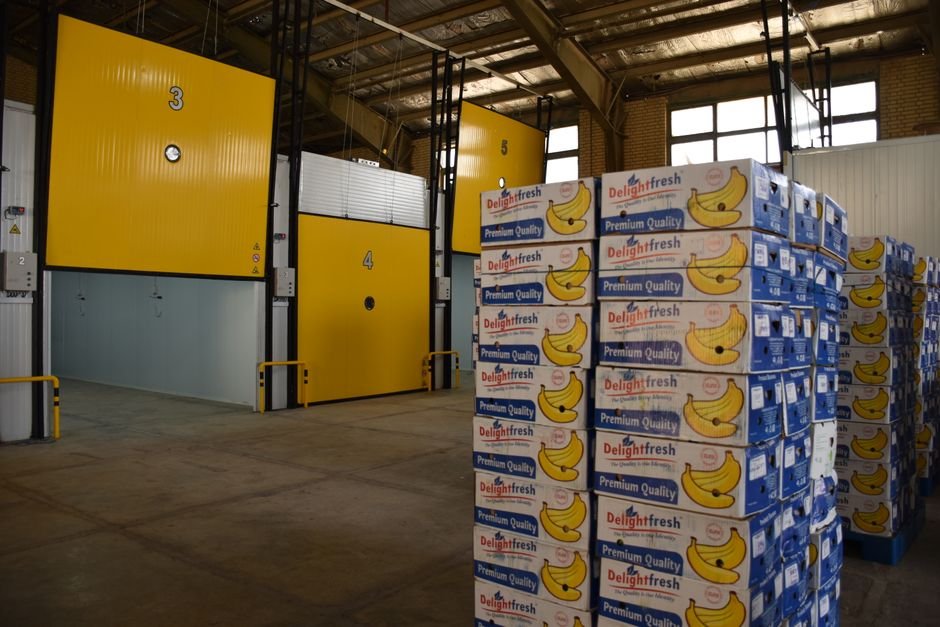
Sri Lanka is advancing its agricultural infrastructure with plans to construct 10 modern chemical-free fruit-ripening chambers across the country this year. The initiative represents a pivotal step forward in improving food safety, upgrading post-harvest technology, and delivering healthier agricultural produce to domestic and international markets.

For years, conventional fruit processing in many regional supply chains has relied on hazardous artificial ripening techniques, including the use of unsafe chemicals that pose serious long-term health risks to consumers. By transitioning to state-of-the-art ripening facilities designed to utilize safe, controlled environmental systems—such as precise temperature and humidity controls along with compliant ethylene application—the country aims to eliminate dangerous chemical practices from its fruit production pipeline.
Beyond immediate health benefits for consumers, the establishment of these 10 facilities is designed to address systemic post-harvest losses that frequently affect local growers. By standardizing the ripening process under optimal conditions, the new facilities will extend produce shelf life, enhance overall crop quality, and ensure consistent supply flows across local distribution networks.
Key Developments
- Deployment of 10 modern, chemical-free fruit-ripening facilities scheduled for completion this year.
- Phase-out of hazardous chemical ripening agents in favor of standardized, environmentally controlled post-harvest facilities.
- Reduction in post-harvest crop waste, offering improved financial yields for local agricultural producers.
- Upgraded food safety standards aimed at boosting consumer confidence and enhancing export readiness for Sri Lankan fruits.
As the project unfolds over the coming months, the rollout of these modern ripening chambers underlines a proactive commitment to sustainable agriculture, strict health compliance, and the long-term modernization of the national agricultural economy.