
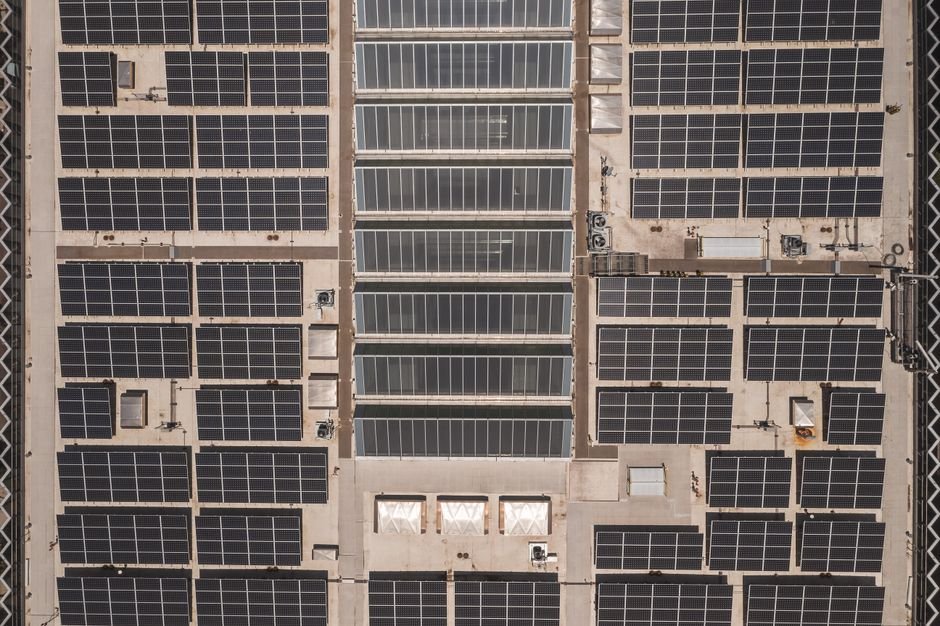
In a move that has raised serious concerns among clean energy advocates and local consumers, regulatory adjustments in Sri Lanka are effectively penalizing the adoption and operation of rooftop solar panels. The developments mark a contentious shift in the nation’s energy landscape, where household and commercial solar installations had previously gained momentum as a practical response to power supply demands and rising electricity tariffs.

The introduction of disincentives and adverse measures for rooftop solar producers poses significant hurdles for the expansion of decentralized clean power generation. Industry observers and energy experts warn that penalizing solar power generation could stifle private investment in green infrastructure, discourage citizens from transitioning to renewable power, and undermine long-term sustainability objectives across the island.
Key Developments
- Regulatory Shifts: Policy adjustments introduce penalties and less favorable conditions for rooftop solar panel operators, altering net metering and grid connection terms.
- Impact on Clean Energy Transition: Restrictive measures risk slowing down national renewable energy targets and grid decentralization initiatives.
- Financial Strain on Solar Buyers: Households and commercial property owners who made substantial upfront investments in solar technology now face reduced financial returns and higher operational hurdles.
As discussions regarding national energy security and environmental strategy continue, stakeholders are calling for a balanced regulatory framework that encourages renewable energy generation rather than penalizing proactive consumers. The long-term trajectory of Sri Lanka’s clean energy transition remains a crucial focal point for policymakers, energy producers, and the public.