
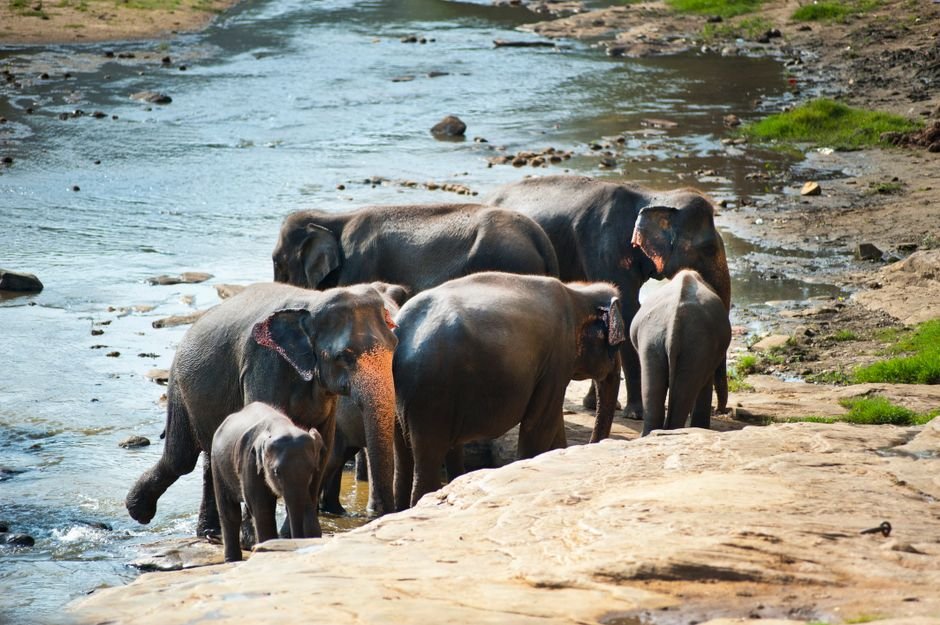
Sri Lanka is preparing for the ecological impact of the El Niño weather phenomenon, raising urgent concerns regarding the heightened vulnerability of the nation’s national parks and protected wilderness areas. As severe climate disruptions loom, conservationists and environmental managers are warning that shifting weather patterns could severely compound pre-existing threats to protected ecosystems, particularly where unauthorized land encroachment has already disrupted natural habitats.

The arrival of El Niño typically heralds erratic rainfall and prolonged dry periods across Sri Lanka, putting immense strain on water reserves and vegetation within wildlife reserves. When extreme climatic conditions intersect with illegal land clearing, agricultural expansion, and human settlements advancing beyond reserve boundaries, the resilience of these natural sanctuaries is severely diminished. The degradation of key buffer zones further strains vital ecological corridors necessary for species survival.
Key Developments
- Climate Vulnerability: The onset of El Niño threatens Sri Lanka with severe dry spells, placing protected ecosystems and native species under heightened climate-induced stress.
- Encroachment Pressure: Unchecked territorial expansion and land clearing around national park perimeters continue to shrink natural habitats and degrade crucial ecological buffer zones.
- Rising Conflict Risks: Reduced water and food availability inside parks during severe weather cycles increases the likelihood of wildlife straying into surrounding human settlements.
As weather conditions intensify, managing the dual challenges of climate fluctuations and human boundary encroachment remains a critical priority for Sri Lanka’s environmental preservation. Safeguarding park perimeters and enforcing habitat protection will be essential to mitigating ecological degradation and preserving the country’s rich biodiversity through challenging climate cycles.