
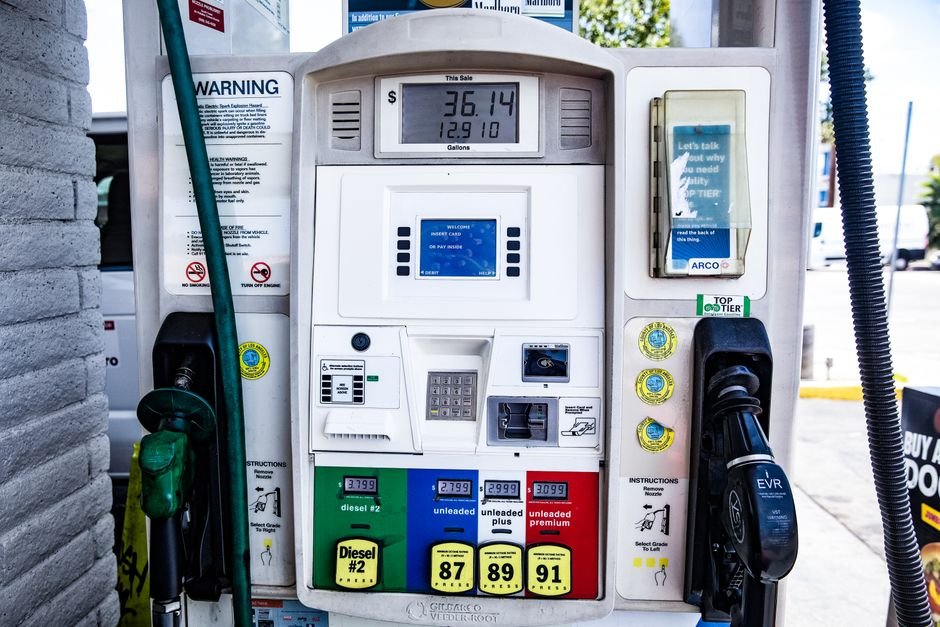
Fuel prices have been revised upward, marking a fresh adjustment in retail energy costs that is expected to resonate across transportation, commercial operations, and consumer spending. The decision to increase fuel rates reflects ongoing adjustments within the domestic energy sector as market conditions and supply dynamics impact retail fuel pricing. The price hike directly impacts primary fuel categories, raising daily operational expenses for motorists, logistics providers, and everyday commuters.

The broader economic consequences of rising fuel costs extend well beyond the immediate price at the pump. Higher transportation and fuel expenses typically exert inflationary pressure across essential supply chains, driving up distribution costs for agricultural goods, manufactured products, and public transport services. Businesses operating across energy-intensive sectors are facing squeezed operating margins, prompting strategic reviews of operational efficiency and route planning to manage elevated overhead expenses.
Key Developments
- Upward revision of retail fuel prices affecting standard fuel categories.
- Immediate operational and financial impact on logistics, freight, and public transport networks.
- Potential downstream inflationary pressure on essential goods and supply chain distribution.
- Heightened emphasis on fuel efficiency, cost-mitigation measures, and operational planning.
As the updated pricing structure takes effect, market observers and consumers remain focused on the potential ripple effects throughout the wider economy. Managing the balance between energy market sustainability and consumer affordability remains a critical focus as economic stakeholders adapt to the revised pricing environment.