
As dusk settles over Colombo and the evening call to prayer weaves through the humid sea breeze, a ritual unfolds that is as culturally daring as it is intensely aromatic. At the communal table, steam curls from wide bowls of cungi—a rice broth that hits the tongue not with the demure gentleness of traditional congee, but with a ferocious, unrelenting pepper heat. Here, another striking departure quietly reveals itself: men and women sit shoulder to shoulder, passing bowls across the tablecloth to break their fast in unison, casting aside the rigid gender divisions typical of other local Muslim traditions. It is an enduring vignette of the Sri Lankan Malay spirit—easygoing, fiercely independent, and utterly unbothered by orthodox culinary rules.

Rather than languishing as an archival relic of exile, the cuisine of this insular diaspora has mutated into something vibrant and distinctly nonconformist. The prevailing, pristine stereotypes of Southeast Asian fare hold little sway here; you will search in vain for an all-consuming craze over delicate nasi lemak or familiar coconut rendang. Instead, the Sri Lankan Malay palate thrives on audacity, visceral textures, and unapologetic spice, translating centuries of migration into a repertoire that is as unpredictable as it is intoxicating.
The Audacity of the Offal Pot
Nowhere is this daring identity more apparent than in the community’s deep romance with babath. At beloved culinary institutions such as Nasi Pannesar in Colombo, this fiery cattle or goat offal curry takes centre stage, simmered down into a dark, glistening gravy thick with roasted island spices. Paired classically with steamed cylinders of pittu to absorb the pungent depths of tripe and marrow, it is food that demands passion rather than polite hesitation. Malay home cooks and street-corner maestros pivot with equal bravura, effortlessly conjuring claypot chicken or smooth egg puddings alongside sweet-and-sour kaliya—a labyrinthine curry of fried vegetables, potatoes, and rich morsels of liver.
An Archipelago Reimagined
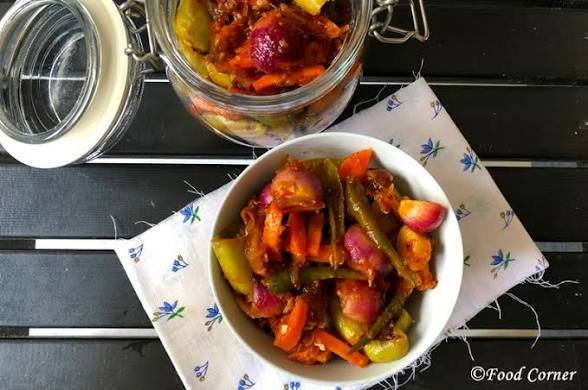
This culinary tapestry is the product of an extraordinary historical crucible. What began in the Indonesian and Malay archipelagos was dismantled and gloriously rebuilt through generations of contact with Dutch colonial kitchens, South Indian techniques, and indigenous Sri Lankan pantry staples. The foundation relies on a potent alchemy: cascades of rich coconut milk, bruised stalks of lemongrass, fragrant ties of rampai (screwpine leaves), dark palm jaggery, sharp vinegars, and heavy, charred spice pastes. Staples like nasi goreng and flame-grilled satay endure with localized intensity, while the biting tang of fruit-and-vegetable achcharu—born of the Southeast Asian achar—delivers a sharp, acidic counterweight to the richness of the feast.
The Sweetness of Memory
For all its heat and marrow, this is a food culture that understands the exquisite theatre of a gentle finish. The journey almost invariably concludes in the golden-brown warmth of watalappan, the iconic steamed custard where deep jaggery meets luscious coconut milk, perfumed with cardamom and nutmeg. Alongside sticky diamond cuts of dodol and the comforting density of traditional baked bol cakes, these desserts reveal the sweeter cadence of an ancient seafaring heritage.
Sri Lankan Malay food does not ask for permission, nor does it pander to foreign nostalgia. In its bubbling offal pots, its fire-laced broths, and the laughter shared across mixed iftar tables, it remains a living testament to an island community that took the memory of an archipelago and cooked it into something entirely, boldly their own.