
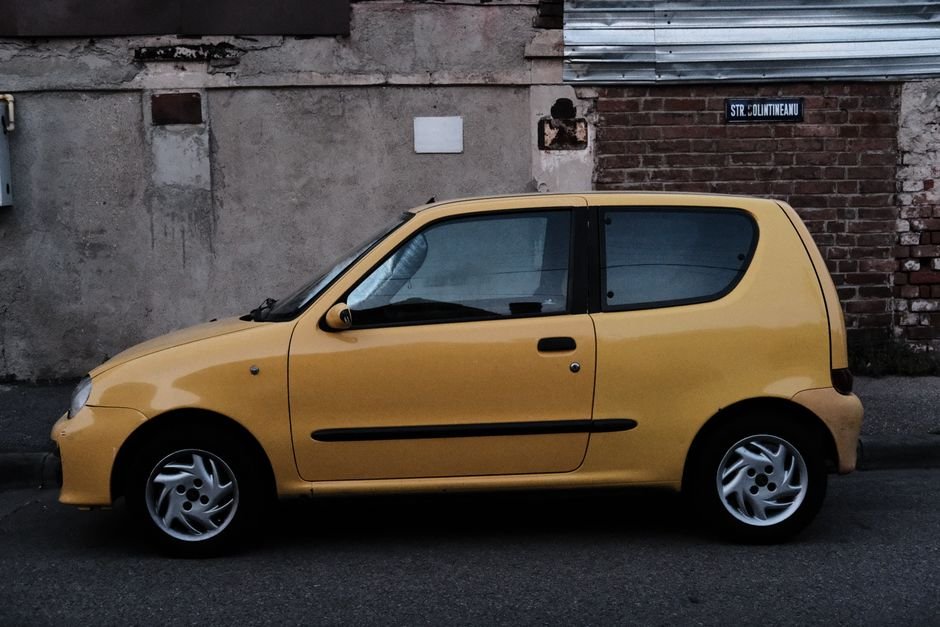
Sri Lanka’s automotive market is experiencing a distinct realignment, with small vehicles taking a central role in driving consumer demand across the country. As economic considerations continue to influence purchasing decisions, buyers are becoming increasingly selective, prioritizing fuel efficiency, lower maintenance overhead, and everyday practical utility over larger, more costly transport options. This transition highlights a broader shift in consumer behavior, where compact models and smaller engine capacities represent the preferred choice for daily mobility.

The growing demand for compact transportation underscores a deliberate move toward financial prudence among Sri Lankan motorists. Factors such as fluctuating operational costs and evolving household budgets have led prospective buyers to examine potential purchases through a far more stringent lens. Consequently, entry-level options and compact vehicles have captured the majority of consumer interest, serving as a reliable solution for individuals and families seeking accessible transportation without heavy financial commitments.
Key Developments
- Dominance of Compact Segment: Small vehicles now represent the primary driver of automotive interest across Sri Lanka’s retail market.
- Heightened Consumer Scrutiny: Buyers are demonstrating greater selectivity, placing emphasis on long-term ownership costs, fuel economy, and operational reliability.
- Strategic Market Adjustment: Industry stakeholders are focusing increasingly on practical, budget-aligned vehicle segments to meet current consumer preferences.
As buyer selectivity continues to govern market behavior, the emphasis on small and efficient vehicles is expected to remain a defining feature of Sri Lanka’s auto sector. Automotive suppliers and service providers are aligning their offerings with this pragmatic trend, ensuring that market availability closely matches the ongoing demand for efficient and cost-effective personal transport.