
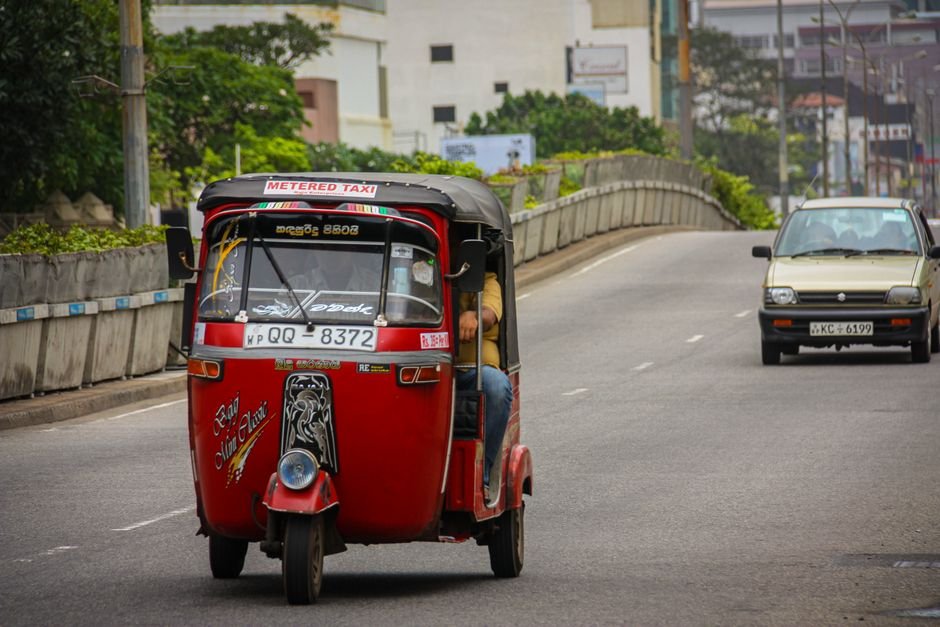
Urban transit across Sri Lanka’s commercial capital, Colombo, has reached a critical juncture as city planners and policy frameworks increasingly focus on modernizing how residents and commuters navigate the bustling metropolis. Long defined by heavy traffic congestion, peak-hour bottlenecks, and reliance on traditional transit corridors, the challenge of transforming travel across Colombo demands comprehensive infrastructure planning, elevated public transport standards, and sustainable urban mobility solutions.

Every day, hundreds of thousands of commuters flow through Colombo’s major arteries, straining the existing network of buses, railways, and private vehicles. Addressing these persistent logistical hurdles involves prioritizing high-efficiency transit systems, reducing urban gridlock, and improving last-mile connectivity. By modernizing urban travel, urban planners aim to streamline transit times, decrease vehicle emissions, and foster a cleaner, more interconnected capital.
Key Developments
- Focus on comprehensive urban mobility planning to address traffic congestion across main travel corridors in Colombo.
- Prioritization of public transit modernization and infrastructure upgrades to better serve daily commuters.
- Integration of sustainable urban transit strategies designed to support economic growth and environmental health.
As Sri Lanka explores new approaches to metropolitan development, reshaping the daily travel experience in Colombo remains vital for fostering economic vitality, improving public health, and establishing a resilient transportation system suited for the future.