
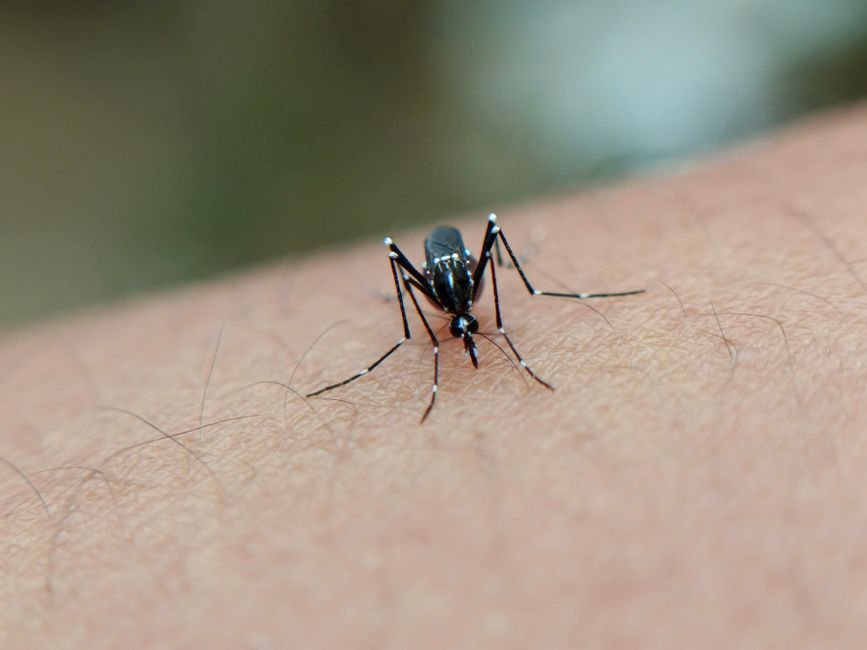
Sri Lanka has reached a alarming critical threshold as total dengue fever infections across the nation officially surpassed 100,000 cases. The rapid surge in viral transmission underscores a major public health emergency, placing substantial operational strain on national health infrastructure and underscoring the severe risks posed by the mosquito-borne illness in both dense urban sectors and surrounding regional communities.

Dengue fever, transmitted primarily by infected Aedes mosquitoes, presents a persistent seasonal threat in Sri Lanka, where environmental factors and monsoonal rainfall frequently create optimal conditions for vector proliferation. Crossing the six-figure mark in registered cases reflects a sharp period of widespread exposure, raising immediate concerns over potential severe disease complications, high hospital occupancy rates, and elevated demand for emergency clinical care.
Public health response frameworks are increasingly prioritized toward intensive vector control measures, including localized mosquito eradication drives, environmental cleanup efforts, and community inspection initiatives designed to destroy larval breeding sites. Emergency health directives emphasize early diagnosis and symptom management, encouraging individuals displaying sudden high fever, persistent fatigue, severe headaches, and joint pain to seek immediate medical assistance at state and private health centers.
Key Developments
- Sri Lanka officially records over 100,000 cumulative dengue fever cases across the country.
- Public health teams accelerate vector management programs to reduce mosquito breeding grounds in high-risk zones.
- Hospitals and clinics adjust operational capacities to manage heightened patient load and prevent severe health outcomes.
As environmental and seasonal factors continue to influence transmission patterns throughout the region, curbing the outbreak will necessitate coordinated multi-sectoral actions. Sustained municipal sanitation, rigorous vector containment, and widespread individual preventive practices remain crucial to reducing infection rates and mitigating the strain on Sri Lanka’s healthcare system.