
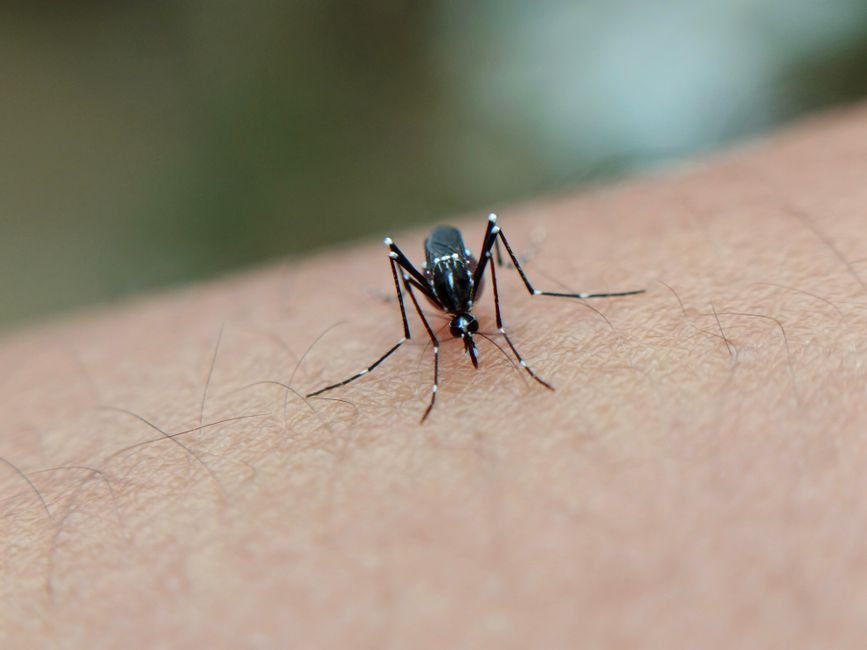
Sri Lanka has reached a critical public health threshold as the total number of recorded dengue cases across the nation officially surpassed 100,000 this year. The sharp surge in infections highlights the ongoing challenge posed by the mosquito-borne virus, putting significant pressure on healthcare infrastructure and medical resources throughout the country.

Dengue, a viral infection transmitted primarily by mosquitoes, poses severe health risks including high fever, severe joint and muscle pain, and potential complications such as hemorrhagic fever. Crossing the 100,000-case mark underscores widespread vector activity across both urban and rural regions of Sri Lanka, where environmental factors and standing water create ideal conditions for mosquito breeding.
Key Developments
- Nationwide dengue cases in Sri Lanka officially surpass 100,000 within the current year.
- Public health measures focus on vector control, eliminating standing water, and early medical response.
- Community engagement remains vital to curbing transmission rates and easing strain on healthcare facilities.
Public health efforts remain centered on mitigating vector populations through targeted control operations, community cleanup initiatives, and active monitoring of breeding hotspots. Citizens across affected areas are urged to maintain heightened vigilance by removing stagnant water, taking personal protective measures against mosquito bites, and seeking early medical evaluation upon displaying symptoms.
As Sri Lanka works to manage the elevated case load, sustained community participation alongside coordinated healthcare interventions will be vital in controlling the spread of the virus and safeguarding public health.