
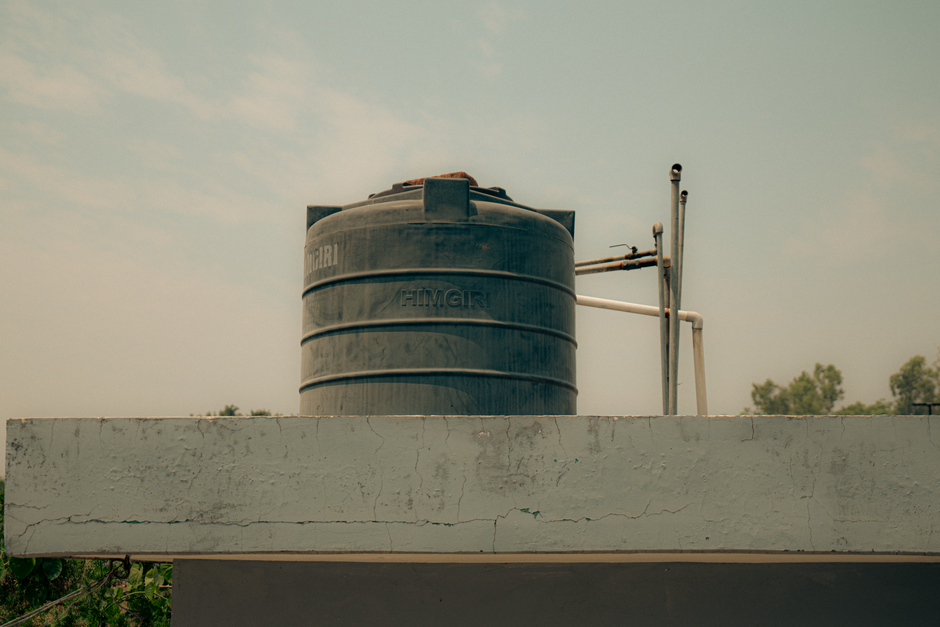
As seasonal weather patterns shift across Sri Lanka, households throughout the island are increasingly looking toward sustainable water management solutions to prepare for upcoming dry months. Rainwater harvesting has emerged as an essential practice for domestic resilience, allowing residents to capture, filter, and store clean water during periods of precipitation. Establishing these systems at home prior to dry spells ensures a reliable secondary water supply, alleviating strain on municipal networks and local groundwater reserves when rain becomes scarce.

Implementing a rooftop rainwater catchment system requires basic infrastructure planning, including surface cleaning, the installation of proper gutters, first-flush diverters, and secure storage tanks. By capturing rain runoff directly from clean roof surfaces, homeowners can secure significant volumes of water suitable for gardening, washing, toilet flushing, and, with appropriate filtration and purification, general domestic use. Taking action before the onset of dry periods allows households to test filtration mechanisms, repair potential leaks, and ensure storage containers are fully capacity-ready.
Key Developments
- Pre-Dry Season Preparation: Establishing domestic rainwater harvesting systems ahead of dry months ensures adequate storage and continuous water availability during lean periods.
- Infrastructure Requirements: Practical home setups utilize rooftop catchments, gutters, first-flush diverters, and sealed storage containers to capture clean rainfall effectively.
- Broader Environmental Impact: Residential collection mitigates localized stormwater runoff, reduces soil erosion, conserves groundwater, and enhances community resilience against water scarcity.
Beyond individual utility savings, the widespread adoption of residential rainwater collection plays a vital role in community-wide drought mitigation. By intercepting heavy downpours, catchment systems reduce urban flooding and protect local topsoil in rural regions. As climate variability continues to influence local precipitation cycles across Sri Lanka, integrating rainwater storage into daily household routines represents a practical, cost-effective step toward long-term water security and environmental sustainability.