
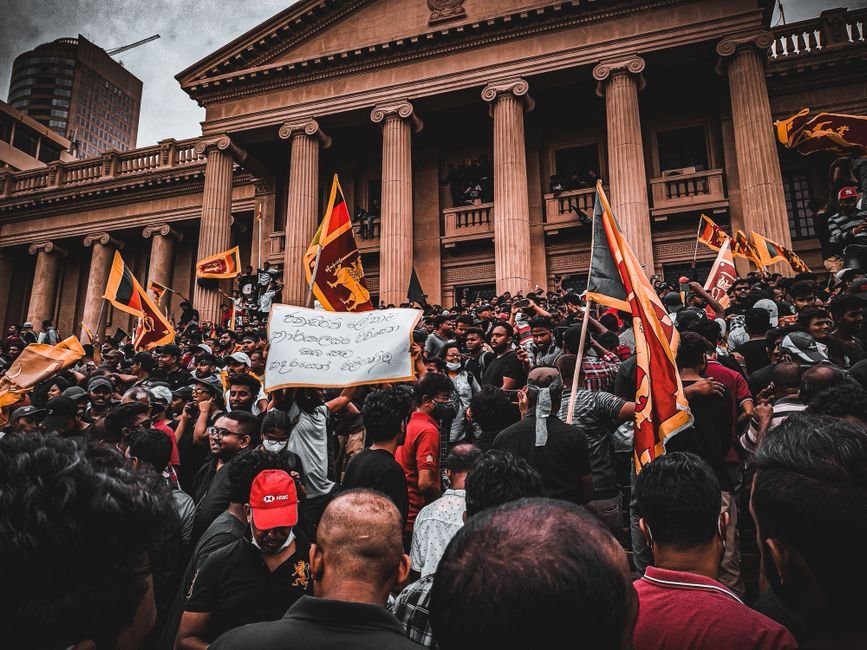
Sri Lanka is facing a surge of widespread outrage and severe criticism following the introduction of a controversial new anti-terrorism law. The legislative measures have drawn sharp pushback from civil society groups, legal commentators, and human rights advocates, who warn that the sweeping provisions threaten core democratic principles, public accountability, and constitutional freedoms across the nation.

Opponents of the new framework argue that its expansive definitions and heightened enforcement powers risk granting government authorities unchecked discretion. Severe concerns have been raised regarding the potential misuse of the law to clamp down on peaceful public demonstrations, suppress political dissent, and restrict freedom of expression and independent journalism under the guise of national security mandates.
Key Developments
- Sweeping opposition to Sri Lanka’s newly proposed anti-terror law from human rights defenders and legal experts.
- Growing alarm over executive overreach, potential limits on freedom of assembly, and threats to political dissent.
- Escalating calls from civil society for judicial oversight, legislative safeguards, and alignment with international legal standards.
The intense pushback highlights an urgent dilemma for Sri Lanka as it navigates the delicate balance between state security objectives and human rights protections. With opposition expanding across multiple sectors, the government faces critical pressure to reevaluate the legislative framework, introduce rigorous safeguards, and ensure that civil liberties are preserved.