
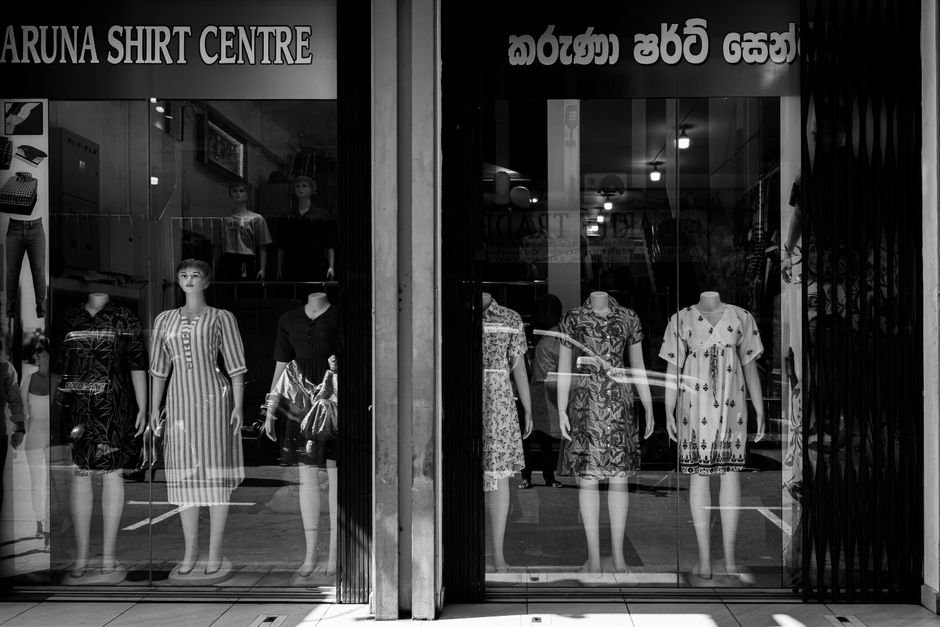
Sri Lanka’s ambitious US $12 billion export trajectory is facing significant pressure as a slump in the apparel sector threatens to undermine national trade momentum. As a primary driver of the nation’s foreign exchange earnings and manufacturing output, garment exports are fundamental to meeting annual macroeconomic targets. The current downturn highlights growing headwinds for the export economy as key trade metrics come under strain.

The apparel industry has long served as an economic anchor for Sri Lanka, providing employment for hundreds of thousands and driving trade relationships across major Western markets. However, fluctuating international demand, shifting order patterns, and broader global economic volatility have combined to compress sector earnings. Because apparel represents such a substantial portion of total merchandise exports, any prolonged contraction directly impacts the country’s ability to maintain its US $12 billion run rate.
Key Developments
- Export Benchmark at Risk: Sri Lanka’s path toward its US $12 billion export goal is being tested by weakening apparel export performance.
- Sectoral Impact: Decreased order volumes and shifting global trade dynamics are weighing heavily on garment manufacturers nationwide.
- Economic Implications: Trade planners and industry leaders are monitoring foreign exchange flows as the sector seeks strategies to stabilize revenue streams.
Navigating this slowdown will require continuous evaluation of trade policy and market conditions. As stakeholders monitor foreign exchange inflows, the ability of Sri Lanka’s export sector to adapt to global market fluctuations will dictate whether the US $12 billion export milestone remains within reach.