
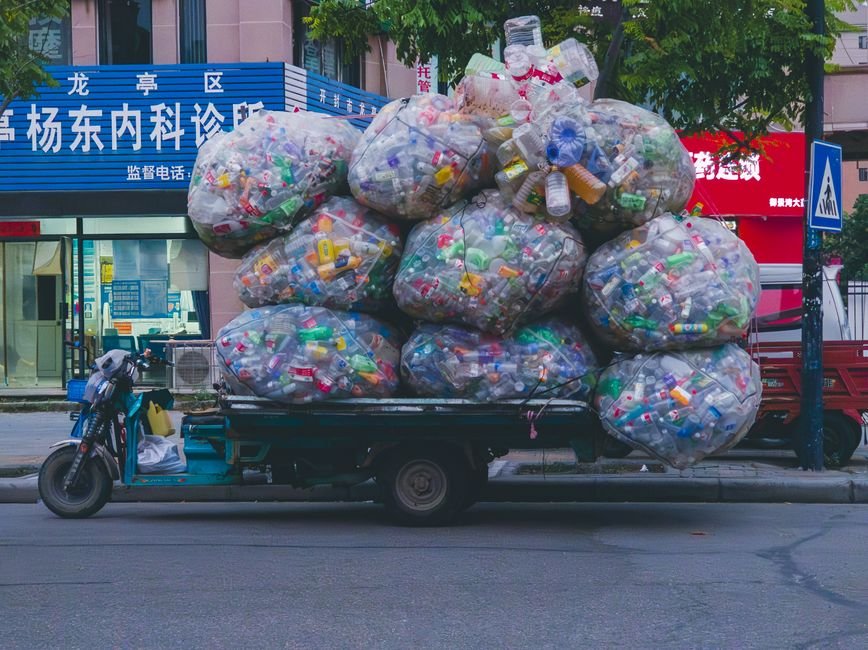
In a remarkable development at the intersection of environmental sustainability and biotechnology, a Sri Lankan scientist Lahiru Jayakody of Carbondale University Illinois has helped pioneer research capable of transforming plastic waste into edible food products. This innovative process directly addresses two of the world’s most critical crises: the global accumulation of non-biodegradable synthetic pollution and widespread food insecurity.

The groundbreaking method utilizes advanced biochemical processes to break down complex plastic polymers into safe, organic building blocks. By applying specialized microbial action and chemical conversion, discarded plastics—which typically linger in ecosystems and landfills for centuries—are repurposed into nutrient-rich compounds capable of contributing to food production systems.
Key Developments
- A Sri Lankan scientist plays a key role in developing technology that converts synthetic plastic waste into food nutrients.
- The dual-purpose biotransformation addresses both environmental plastic pollution and resource scarcity.
- The circular technology offers a novel model for sustainable waste management and industrial bio-manufacturing.
As scientists continue to evaluate the safety, efficiency, and scalability of this bioconversion process, the milestone highlights the growing potential of eco-friendly scientific research. Converting persistent environmental hazards into vital resources represents a major step forward for sustainable global development and future food security.