
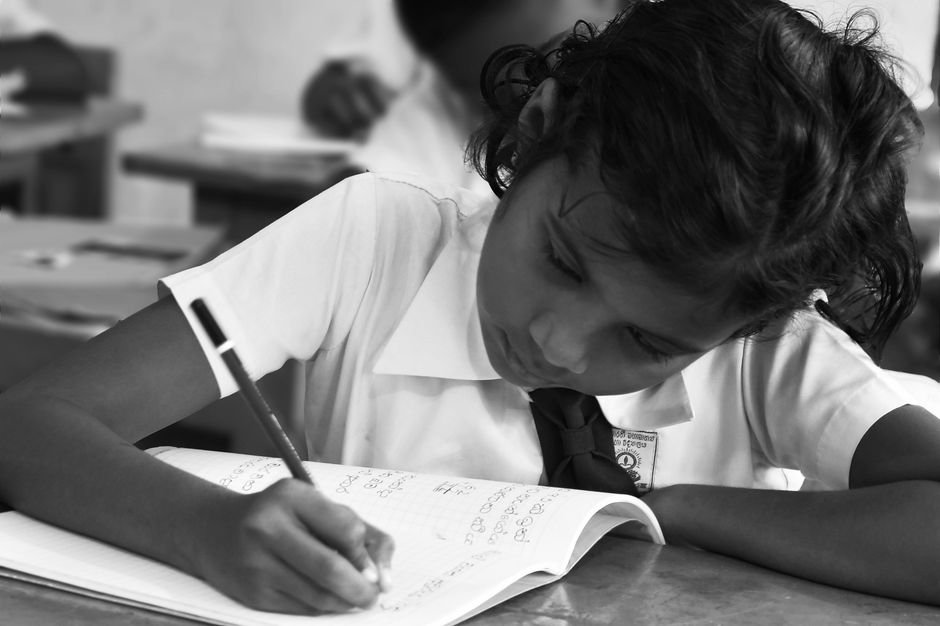
As educational systems worldwide confront mounting disruptions and shifting learning paradigms, questions are intensifying over whether Sri Lanka is adequately equipped to navigate a broadening global literacy crisis. The intersection of economic pressure, technological acceleration, and post-pandemic learning losses has placed foundational literacy at the forefront of international policy debates. For Sri Lanka, long recognized for maintaining relatively high adult literacy rates compared to regional peers, the emerging global landscape presents complex structural hurdles that demand proactive educational strategies and sustained institutional investment.

The global literacy crisis encompasses not merely basic reading and writing proficiency, but also digital fluency, critical comprehension, and functional adaptability in an increasingly automated global economy. International assessments have repeatedly highlighted growing deficits in foundational learning skills, particularly among school-aged children affected by severe disruptions to formal schooling in recent years. In Sri Lanka, where the education system has historically served as a critical driver of social mobility and human capital development, policy analysts and educators are evaluating whether current curricula, teacher training initiatives, and classroom resources are sufficient to safeguard learning standards against these global headwinds.
Key areas of concern center on equitable access to quality instruction, infrastructure disparities between urban and rural school districts, and the integration of modern digital literacy tools into traditional learning environments. While high macro-level literacy figures have traditionally been a point of national strength in Sri Lanka, deeper systemic analysis underscores the need for enhanced functional literacy, critical thinking capabilities, and multi-language proficiency necessary for contemporary workforce readiness. Addressing these gaps requires targeted policy interventions that prioritize early childhood education, resource allocation for underprivileged regions, and comprehensive curricular updates aligned with global benchmarks.
Key Developments
- Growing international concern over post-pandemic foundational learning deficits and functional literacy decline.
- Critical evaluation of Sri Lanka’s educational infrastructure, resource distribution, and curriculum adaptability.
- Emphasis on bridging disparities between urban and rural educational access across the island nation.
- Strategic focus on expanding digital literacy, practical skill sets, and modern workforce readiness.
Ultimately, Sri Lanka’s ability to withstand the ripple effects of a global literacy crisis will depend on robust policy foresight, sustained public investment, and collaborative multi-sectoral reforms. As global economic competitiveness becomes ever more tightly bound to cognitive skills and technological proficiency, reinforcing the nation’s educational framework stands as an urgent priority for ensuring long-term national resilience and equitable socio-economic development.