
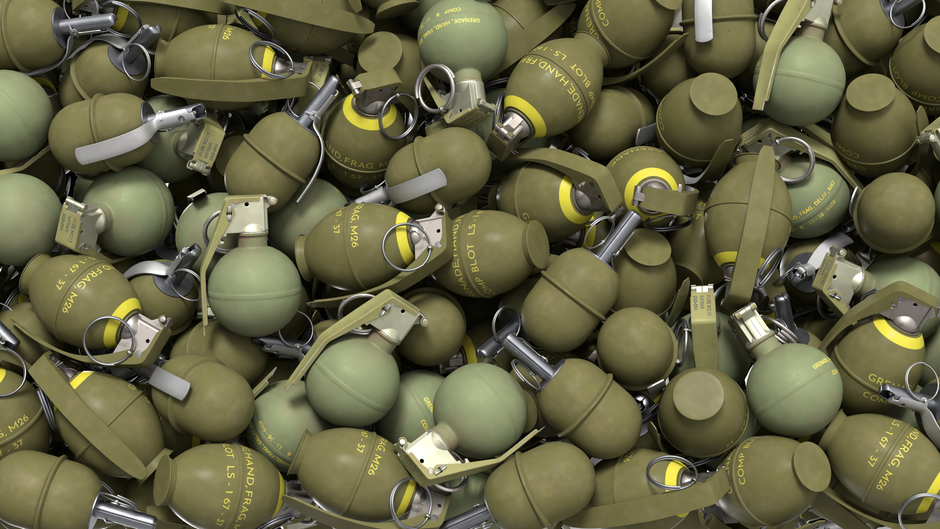
In a notable diplomatic stance, Sri Lanka has issued a formal condemnation against the use of cluster bombs globally, while simultaneously maintaining its long-held position that its own armed forces have never deployed such controversial weaponry. The position highlights a complex narrative within international arms control discussions, as the nation aligns itself with broader humanitarian efforts to denounce cluster munitions while addressing persistent international scrutiny regarding past military engagements.

Cluster munitions are widely condemned under international humanitarian standards due to their indiscriminate nature and the prolonged danger unexploded submunitions pose to civilian populations long after hostilities conclude. Sri Lanka’s official opposition to these weapons reflects an ongoing effort to engage with global disarmament frameworks and endorse international prohibitions against non-discriminatory military hardware. However, the distinction between its global stance and its firm denial of domestic usage remains a defining element of its defense and foreign policy messaging.
Diplomatic and defense analysts observe that public condemnations of cluster weaponry allow nations to signal support for global peace initiatives and non-proliferation treaties. By maintaining a strict stance against the employment of these weapons anywhere in the world, the government seeks to emphasize its support for human rights principles on the global stage while resolutely maintaining the integrity of its official national military record.
Key Developments
- Global Condemnation: Sri Lanka has formally denounced the use and proliferation of cluster bombs in international conflicts.
- Denial of Deployment: National authorities reaffirm that cluster munitions have never been used by the country’s defense forces.
- Humanitarian Alignment: The official position reinforces participation in international efforts to eliminate indiscriminate weaponry.
As international forums continue to push for universal adherence to humanitarian laws and the complete eradication of cluster munitions, Sri Lanka’s dual emphasis on global prohibition and internal denial highlights the ongoing balance between international diplomacy and domestic defense narratives. Future engagements in global disarmament conventions will continue to shape how this policy is received by international observers and human rights advocates.