
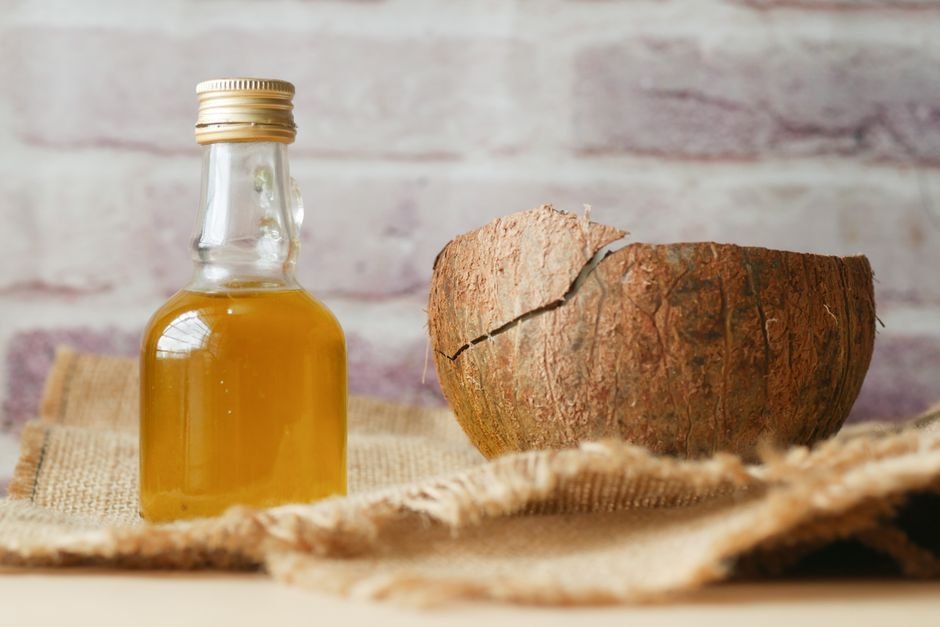
In a significant regulatory initiative aimed at strengthening food safety and public health protections, sales of unpackaged coconut oil are set to be officially banned. The measure prohibits vendors and distributors from selling coconut oil in loose, open, or unsealed formats, mandating that all retail coconut oil be properly packaged, sealed, and labeled prior to reaching consumers.

The decision responds to persistent health and safety risks associated with open-container sales of edible oils. Unpackaged coconut oil is particularly vulnerable to atmospheric contamination, poor hygiene during handling, and product adulteration through mixing with inferior or unverified substances. By requiring standardized, tamper-evident packaging, regulatory authorities aim to guarantee product purity and protect buyers from compromised goods.
Key Developments
- Prohibition of Loose Sales: A complete ban on the retail distribution of unpackaged and loose coconut oil across commercial markets.
- Mandatory Sealed Packaging: Directives requiring all coconut oil products to be distributed in sealed, traceable containers.
- Adulteration Prevention: Enhanced quality control measures designed to prevent product contamination and ensure consumer safety.
As retail supply chains adjust to the new mandates, vendors will be required to transition their inventory to comply fully with standardized packaging protocols. The decision represents a vital step toward modernizing retail food safety standards and ensuring clear accountability throughout the edible oil industry.