
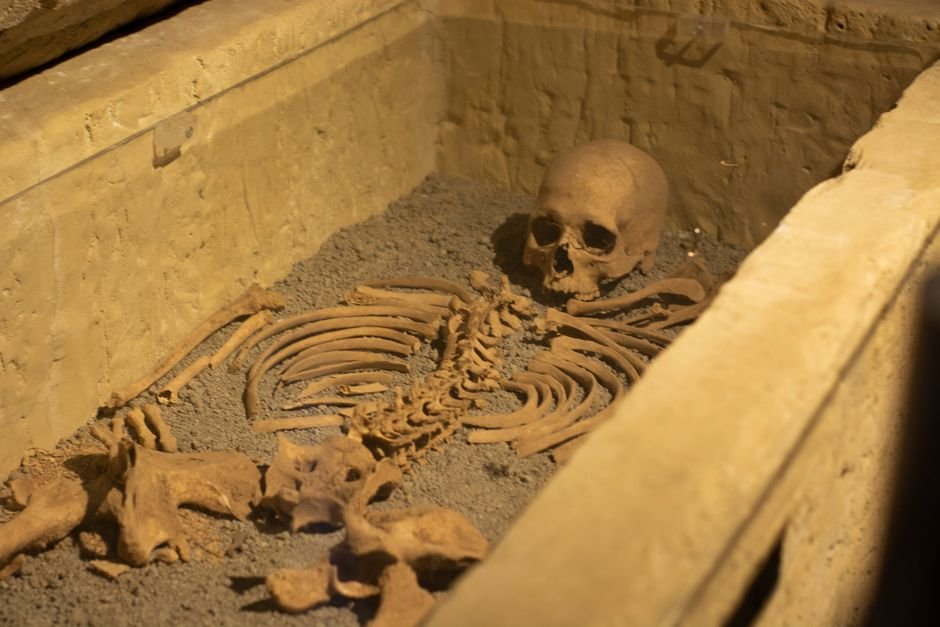
Forensic investigators in Sri Lanka have unearthed the human remains of 572 individuals from a mass grave site, marking one of the largest forensic excavations in the nation’s history.

Key Highlights
- Forensic teams have recovered the remains of at least 572 people from the excavation site.
- Investigators are conducting forensic analysis to establish the timeline and cause of death for the victims.
- The discovery reopens painful questions about Sri Lanka’s turbulent history of civil conflict and political uprisings.
The discovery has drawn significant attention from human rights advocates, legal experts, and families of missing persons who have spent decades seeking answers regarding loved ones lost during Sri Lanka’s periods of violent unrest. Local authorities and forensic specialists are working meticulously to document, clean, and catalog the unearthed remains.
Sri Lanka’s modern history has been heavily impacted by prolonged conflict, including a nearly three-decade civil war that concluded in 2009, as well as armed political insurrections in the late 1970s and late 1980s. Previous mass grave discoveries in the country have frequently sparked demands for international oversight, carbon dating, and thorough judicial inquiries.
Authorities are expected to proceed with scientific testing, including potential carbon dating analysis, to determine the exact era from which the remains originate. Human rights organizations continue to emphasize that proper preservation of evidence and transparent investigations are essential to bringing closure to affected families.