
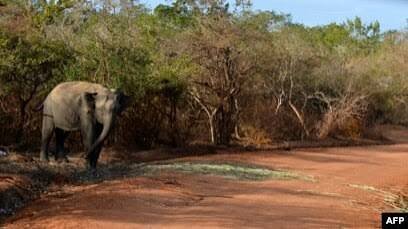
A severe dry spell in Sri Lanka is rapidly depleting essential water holes across national parks and wildlife reserves, pushing wild animals to the brink of survival. As natural water sources shrink, species such as wild elephants, deer, and leopards are increasingly wandering into surrounding human settlements and agricultural zones in desperate search of hydration, escalating a dangerous cycle of human-wildlife conflict.

Key Highlights
- Shrinking Ecosystems: Prolonged drought conditions have reduced crucial natural reservoirs inside protected areas to dry beds and muddy puddles.
- Rising Retaliatory Poisoning: Farmers seeking to protect vulnerable crops are using agricultural pesticides to poison water points and bait, resulting in tragic animal fatalities.
- Secondary Ecological Risk: Scavengers and non-target species, including birds of prey and jackals, face secondary poisoning from feeding on toxic carcasses.
- Demands for Mitigation: Wildlife experts and conservationists are pressing authorities to scale up emergency water supply efforts and increase perimeter monitoring.
The prolonged absence of rain has placed intense pressure on rural communities and wildlife alike. Facing devastating crop damage during an already challenging economic period, some farmers resort to deploying toxic chemicals near remnant water sources or mixing pesticides with food to deter or kill raiding animals. These illegal interventions often lead to painful and slow deaths for protected species.
Environmental organizations warn that the impacts extend deep into the food web. When a poisoned animal dies, scavengers feeding on the carcass fall victim to the same toxins, creating a cascading ecological crisis. To mitigate the disaster, wildlife authorities have begun trucking water into remote forest bowsers, but conservationists stress that long-term strategies—including improved community compensation, habitat restoration, and strict legal enforcement—are urgently required to safeguard Sri Lanka’s rich biodiversity.