
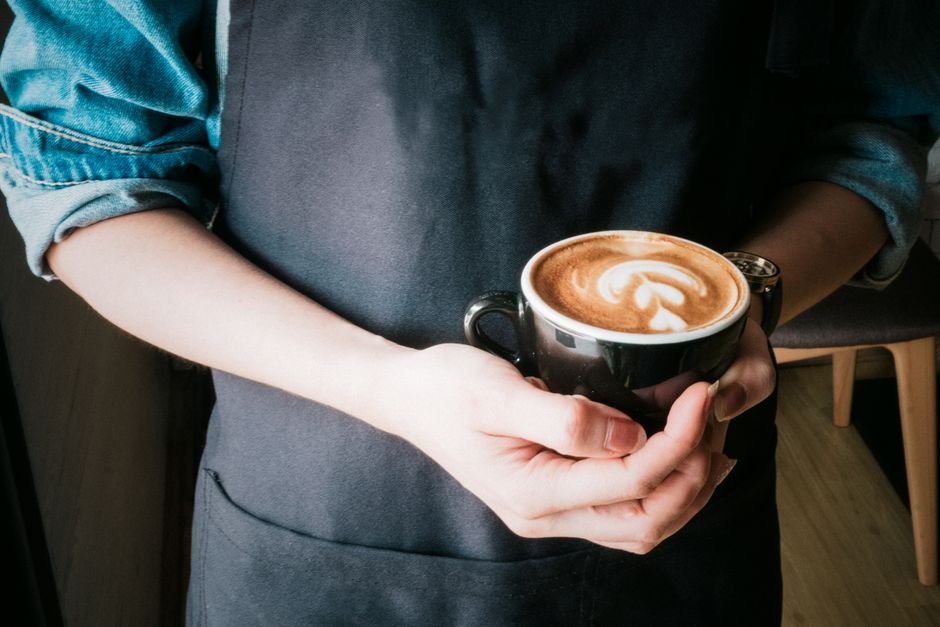
In the bustling streets of Colombo, vibrant boutique cafes and specialty roasters are popping up at a record pace, signaling a booming lifestyle culture among urban youth, expatriates, and tourists. However, this thriving high-end scene sits in stark contrast to the nation’s broader economic realities, highlighting a dual-track recovery following recent financial turbulence.

Key Highlights
- Urban Sri Lanka is experiencing a rapid surge in specialty espresso bars and lifestyle cafe culture.
- The trend underscores an economic divide between affluent urban consumers and families coping with broader living costs.
- Local entrepreneurs are utilizing the momentum to revive Sri Lanka’s historic coffee farming sector.
Once globally renowned for coffee before a 19th-century crop blight led to the shift toward tea, Sri Lanka is witnessing an extraordinary artisanal revival. Today’s movement is distinctly modern, characterized by high-end espresso bars, third-wave brewing techniques, and social-media-friendly spaces tailored for remote work and leisure.
Economic analysts note that the booming coffee culture reflects two distinct economic realities across the island. While a resilient segment of high-earning residents, tourists, and digital nomads fuel affluent service sectors, many households continue to navigate tight budgets, elevated utility costs, and broader macroeconomic stabilization efforts.
Despite these contrasts, the trend offers a silver lining for domestic agriculture. A growing number of roasters are sourcing beans locally, sparking renewed investment in high-altitude Arabica farming in the central highlands. This effort aims to bridge the rural-urban divide by turning a trendy urban obsession into a sustainable income source for local farmers.