
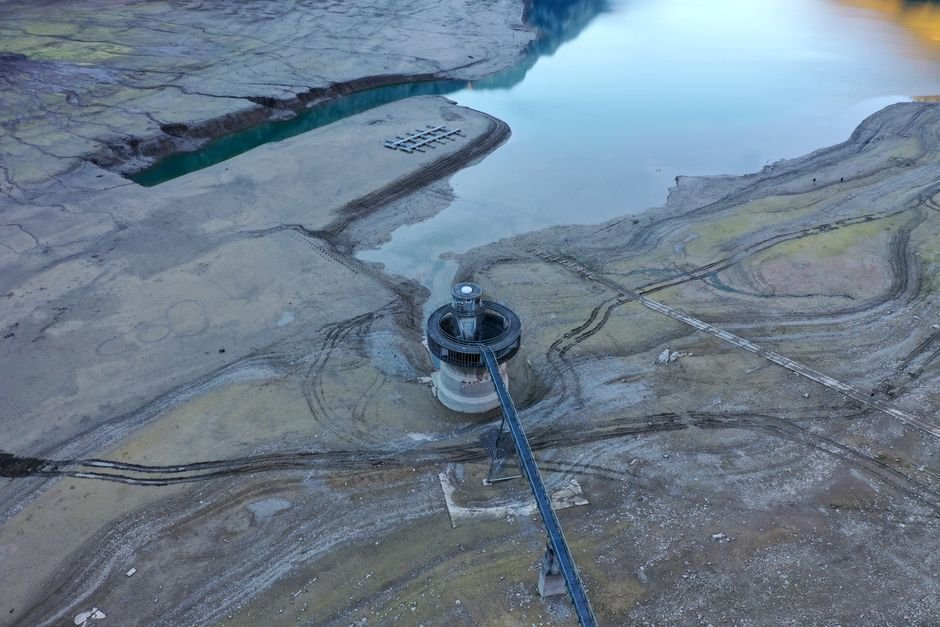
Sri Lanka is confronting a growing water crisis as the El Niño weather pattern significantly reduces rainfall, severely threatening the island nation’s main freshwater reserves and pushing authorities to consider drastic measures, including seawater desalination.

Key Highlights
- El Niño climate conditions have caused prolonged dry spells across major catchments.
- Primary freshwater reservoirs supplying drinking and agricultural water are rapidly depleting.
- Authorities are exploring seawater desalination and emergency water management to mitigate severe shortages.
The prolonged absence of monsoon rains has disrupted Sri Lanka’s hydrological balance, leaving major urban centers and farming communities vulnerable. Water management officials have warned that key reservoirs are approaching critical levels, threatening both domestic consumption and crop yields.
As traditional sources dry up, feasibility studies and emergency discussions are underway regarding alternative solutions, such as desalination plants along the coastal belts. Experts emphasize the urgent need for sustainable climate adaptation strategies to protect the population against increasingly volatile weather extremes.