
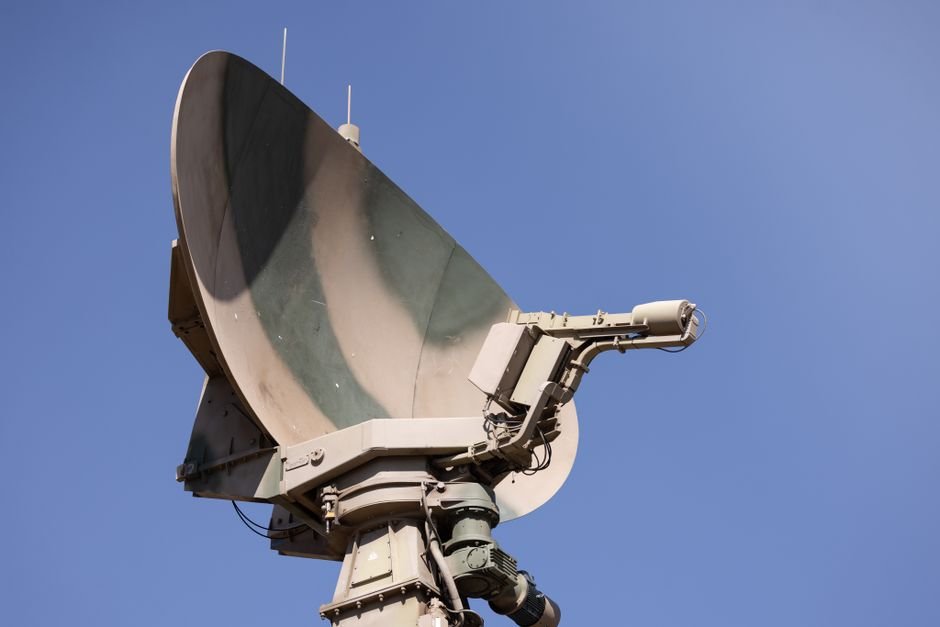
In light of evolving security dynamics across the Indian Ocean and the rapid modernization of global aerial warfare, Sri Lanka is facing pivotal questions regarding the readiness and modern capabilities of its national air defence system. Defence analysts and military experts emphasize the urgent need for a strategic assessment to ensure the island nation’s airspace remains secure.

Key Highlights
- Current air defence inventory relies on post-conflict era radar and interceptor assets requiring modernization.
- Sri Lanka’s strategic position in the Indian Ocean exposes it to increasing maritime and aerial surveillance demands.
- Ongoing national economic constraints present significant challenges to acquiring modern air defence technology.
During past conflict eras, Sri Lanka established a basic air defence network aimed at countering localized aerial threats. However, with the rapid advancement of unmanned aerial vehicles (UAVs), hypersonic missile technologies, and sophisticated surveillance systems, the existing infrastructure requires major operational upgrades to meet modern defense standards.
Addressing the issue involves balancing tight national fiscal constraints with national security imperatives. Experts suggest that Sri Lanka may look toward strategic international partnerships, defense cooperation agreements, and phased technological upgrades to modernize its radar detection and anti-aircraft capabilities without overburdening the national budget.