
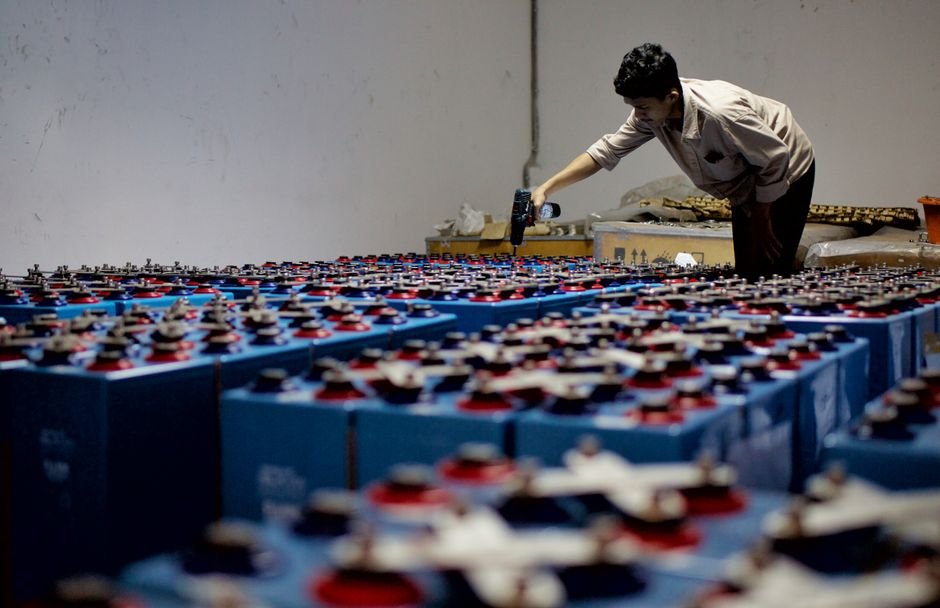
Sri Lanka has unveiled a new feed-in tariff proposal designed to integrate Battery Energy Storage Systems (BESS) with renewable energy generation. While the policy aims to modernize the nation’s power grid, the initial pricing framework has drawn swift criticism from industry stakeholders who argue the proposed rates fail to reflect the high costs of energy storage technology.

Key Highlights
- Policy Shift: Sri Lanka proposes new feed-in tariffs requiring or incentivizing Battery Energy Storage Systems (BESS) alongside renewable energy projects.
- Industry Resistance: Solar developers and energy investors express concerns that the proposed tariff rates are too low to cover BESS capital expenditures.
- Grid Reliability: The government aims to reduce intermittency and stabilize the national electricity grid as renewable penetration grows.
The incorporation of BESS into feed-in tariffs represents a strategic effort by Sri Lankan energy authorities to address the intermittency issues inherent in solar power generation. By encouraging developers to store excess electricity generated during peak daytime hours, the grid operator hopes to dispatch power more reliably during high-demand evening periods and prevent localized overload.
However, clean energy developers and industry associations have raised concerns regarding project bankability. Energy storage systems remain a significant capital investment, and stakeholders warn that without adjusted, cost-reflective pricing or additional financial incentives, the currently proposed tariffs could stall renewable energy deployment rather than accelerate it. Public consultations and industry dialogue are expected as authorities consider revisions to balance grid stability with investor viability.