
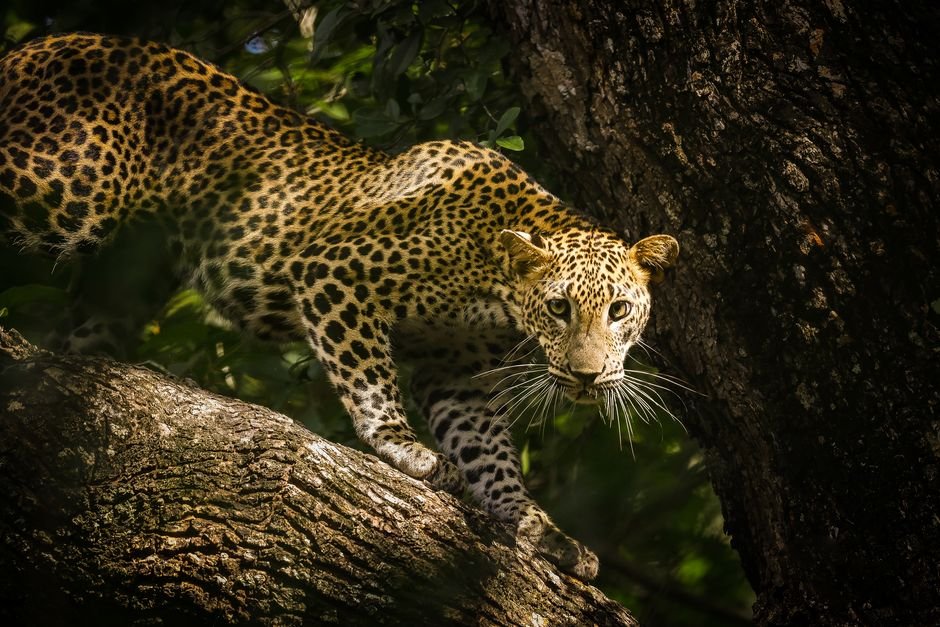
Sri Lankan authorities have announced the temporary closure of key sectors within Yala National Park, the country’s most celebrated wildlife sanctuary, as a prolonged and severe drought severely depletes water resources and threatens local fauna.

Key Highlights
- Major sections of Yala National Park are closed to visitors due to critical water shortages.
- Extreme heat and drying waterholes pose severe threats to leopards, elephants, and other endemic species.
- Wildlife officials have deployed emergency water tankers to replenish artificial troughs and natural basins.
The decision, taken by the Department of Wildlife Conservation, aims to minimize human disturbance and reduce physical stress on animals struggling to survive in scorching conditions. Key tourist zones, including the popular Block 1—famous for housing one of the world’s highest densities of leopards—are facing acute moisture deficits as seasonal streams and natural tanks completely dry up.
In response to the ecological emergency, conservation teams and park rangers are actively delivering water via mobile tankers to sustain animal populations across the reserve’s core habitats. Officials noted that the lack of rainfall has forced animals to travel greater distances for hydration, heightened competition among predators, and increased the risk of human-wildlife conflict along the park’s borders.
Park management confirmed that restricted zones will remain off-limits to safari vehicles and tourists until significant monsoon rains restore natural water levels. Authorities are continuing to monitor environmental conditions across adjacent wildlife reserves as weather patterns continue to strain Sri Lanka’s delicate ecosystems.