
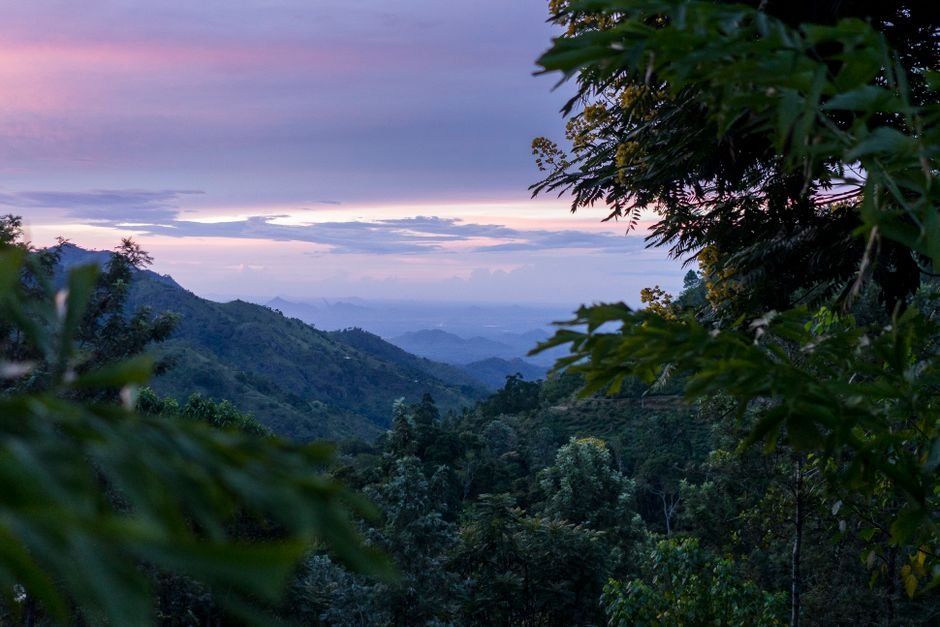
Sri Lanka’s environmental crisis is increasingly characterized by a dangerous climate paradox: torrential rains trigger devastating landslides, only to be followed by acute drought conditions. Environmental experts warn that this volatile cycle is not merely a byproduct of changing weather patterns, but a direct consequence of long-term watershed degradation in the nation’s central highlands.

Key Highlights
- Degradation of critical central watersheds has undermined Sri Lanka’s natural hydrological buffer.
- Unplanned land use, deforestation, and soil erosion prevent rain absorption, intensifying both landslide risks and seasonal dry spells.
- Experts urge immediate watershed restoration and strict land-use regulations to safeguard public safety and food security.
Historically, Sri Lanka’s central mountain range functioned as a complex hydrological network. Dense canopy coverage and deep root systems absorbed heavy monsoon rains, gradually recharging underground aquifers and feeding key rivers year-round. However, decades of uncontrolled land clearing for agriculture, infrastructure, and commercial expansion have severely disrupted this natural sponge effect.
Without a healthy watershed to absorb precipitation, rainwater rapidly washes off exposed hillsides. This intense surface runoff quickly saturates destabilized topsoil, dramatically increasing the frequency of fatal landslides during monsoon months. Conversely, because the ground can no longer retain moisture, natural reservoirs fail to recharge, plunging surrounding communities into severe droughts once the rains cease.
Addressing this ecological vulnerability requires a fundamental shift in land management. Experts emphasize that engineered mitigation projects alone cannot replace functional ecosystems. Restoring indigenous forest buffers, enforcing strict zoning laws in high-risk slope regions, and promoting sustainable agricultural practices are vital to rebuilding Sri Lanka’s watershed resilience.