
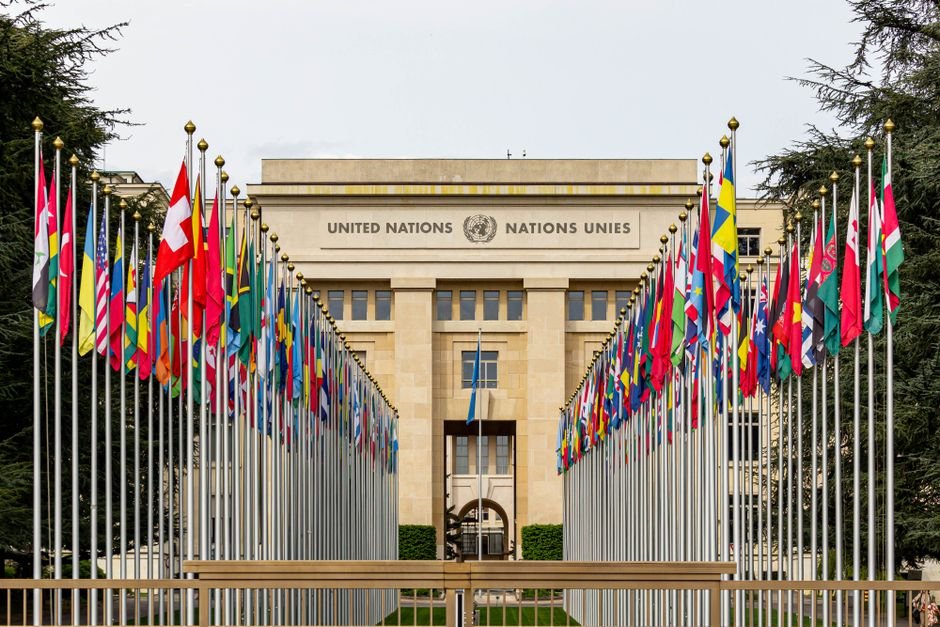
A comprehensive report evaluating the state of human rights, governance, and accountability in Sri Lanka has been formally presented at the United Nations Human Rights Council (UNHRC) in Geneva. The document provides an updated assessment of the nation’s efforts toward post-conflict reconciliation, judicial reform, and economic recovery.

Key Highlights
- Comprehensive review of Sri Lanka’s commitments to transitional justice and human rights.
- Emphasis on institutional reforms, anti-corruption measures, and civil society protections.
- Assessment of the socioeconomic impact of recent economic challenges on vulnerable populations.
- Calls from international delegates for sustained progress on accountability and rule of law.
The report highlights both incremental developments and persistent challenges facing the South Asian nation. High-level UN representatives noted that while Sri Lanka has taken steps toward policy reform and economic stabilization, deeper structural changes are required to address long-standing grievances and ensure lasting reconciliation following its decade-long civil war.
International diplomats and human rights advocacy groups emphasized the importance of safeguarding fundamental freedoms, including the right to peaceful assembly and freedom of expression. As discussions continue at the UNHRC session, member states are urged to support Sri Lanka’s domestic reform initiatives while maintaining rigorous international oversight to ensure justice, transparency, and sustainable peace.