
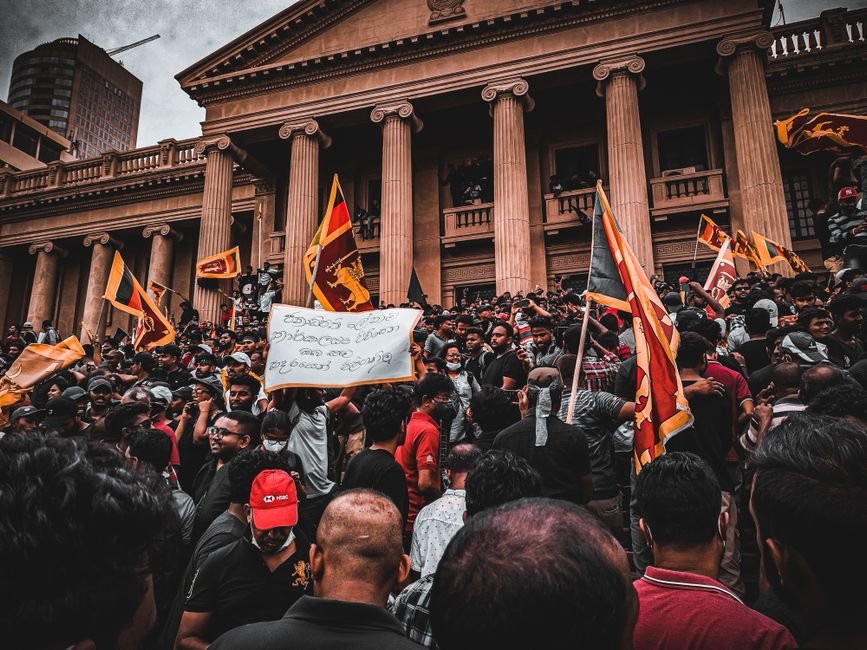
Human Rights Watch (HRW) has voiced deep concern over the Sri Lankan government’s continued failure to ensure accountability for past war crimes and ongoing human rights violations. The global watchdog warned that systemic impunity remains a defining obstacle to justice, democratic governance, and reconciliation in the island nation.

Key Highlights
- HRW highlights a prolonged lack of accountability for security forces involved in historical atrocities.
- Concerns grow over recent legislative measures used to stifle dissent and restrict civil society.
- International bodies urged to maintain targeted pressure and push for independent justice mechanisms.
In its latest assessment, the rights advocacy group noted that successive administrations in Colombo have consistently failed to prosecute military and government officials implicated in abuses during the country’s decades-long civil war. Despite domestic promises of transitional justice and repeated commitments made before international forums, genuine accountability for victims’ families remains largely unfulfilled.
In addition to historical abuses, HRW raised alarms regarding the current human rights climate in Sri Lanka. The organization pointed to the continued reliance on repressive legislation, including the long-criticized Prevention of Terrorism Act (PTA) and recent controversial measures aimed at regulating online speech, as tools to crack down on peaceful protesters, journalists, and civil society activists.
HRW has urged the international community, including the United Nations Human Rights Council (UNHRC) and partner nations, to keep Sri Lanka on the global agenda. The watchdog emphasized that without sustained international oversight and targeted sanctions against accountable individuals, real justice and institutional reform in Sri Lanka will remain out of reach.