
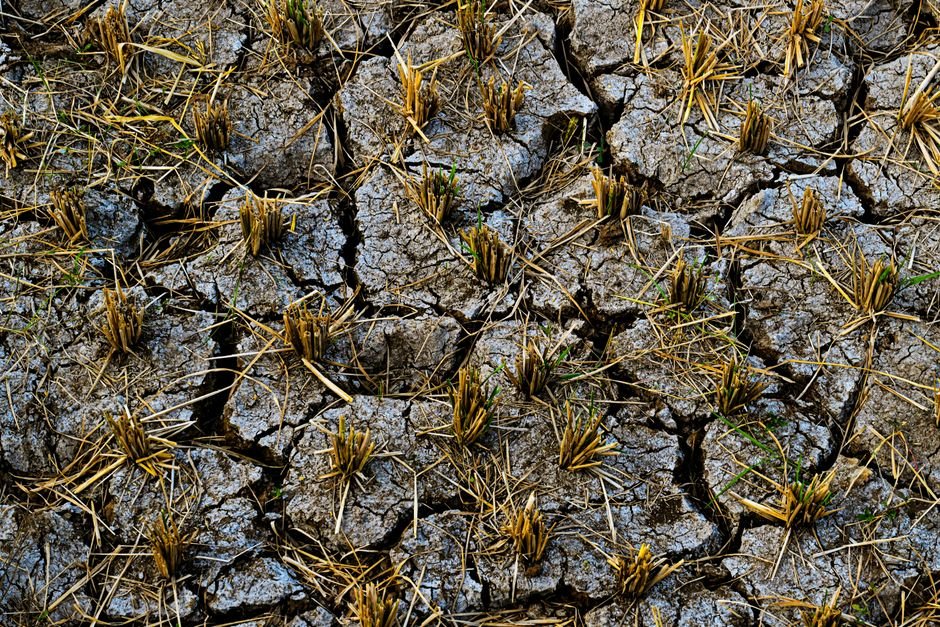
Sri Lanka’s agricultural sector is facing severe distress as an El Niño-induced drought wreaks havoc on farming communities across the nation. The prolonged lack of rainfall has decimated crop yields, exacerbated existing economic vulnerabilities, and raised serious concerns over nationwide food security.

Key Highlights
- Prolonged dry spells triggered by the El Niño climate pattern have severely crippled crop production across Sri Lanka.
- Key staples like rice paddy, as well as crucial export crops, face devastating losses due to acute water shortages.
- Irrigation reservoirs have dropped to dangerously low levels, leaving farmers unable to sustain their fields through the dry season.
The weather pattern has significantly altered regional rainfall, bringing scorching temperatures and drought conditions to Sri Lanka’s primary agricultural zones. Major reservoirs that irrigate thousands of hectares of arable land are rapidly drying up, forcing many farmers to abandon their fields or watch their crops wither.
This climate disaster arrives at a fragile moment for Sri Lanka, which continues to navigate recovery from a severe economic crisis. Agricultural experts warn that widespread crop failures could drive up domestic food inflation and necessitate costly food imports. Government agencies and international organizations are now facing pressure to implement immediate relief measures and long-term water management strategies to help rural communities adapt to worsening extreme weather events.