
The Food and Agriculture Organization’s Global Information and Early Warning System (GIEWS) has issued its latest country brief on Sri Lanka, detailing the nation’s agricultural performance, food availability, and macroeconomic factors impacting local food security.

Key Highlights
- Domestic cereal production shows stabilization supported by better input access and favorable seasonal weather conditions.
- Food inflation levels have moderated compared to peak economic crisis periods, improving household purchasing power.
- Challenges persist due to high production costs, input prices, and potential localized climate risks affecting crop yields.
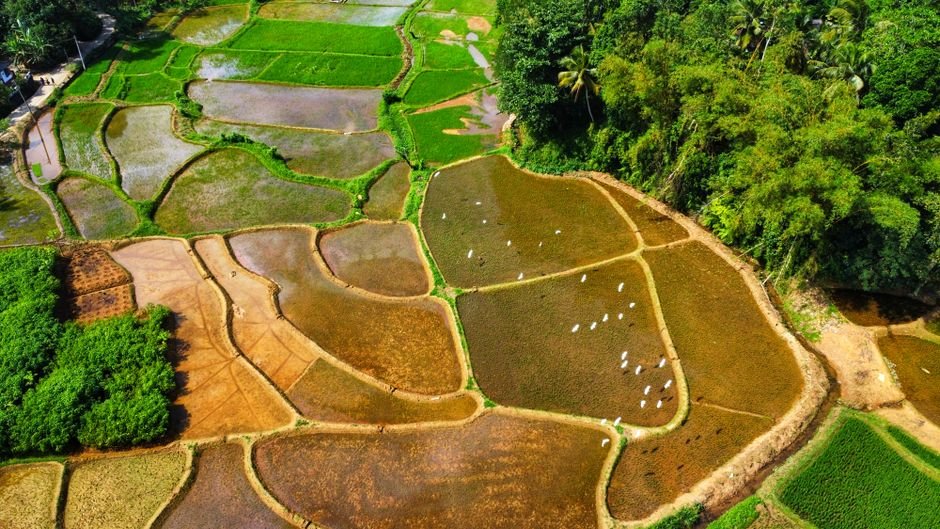
According to the GIEWS brief, Sri Lanka’s agricultural sector continues its path toward stabilization following previous economic and supply chain disruptions. Key staple crop production, particularly paddy rice, has benefited from improved access to essential inputs such as fertilizers and fuel, enabling farmers to maintain primary cultivation schedules.
While domestic availability of core commodities has improved, food security analysts emphasize the need for continued monitoring. High input costs and climate fluctuations remain critical variables influencing farm-level profitability and overall food market stability. Targeted policy interventions and social safety nets remain vital to ensuring vulnerable populations retain adequate access to nutritious food.