
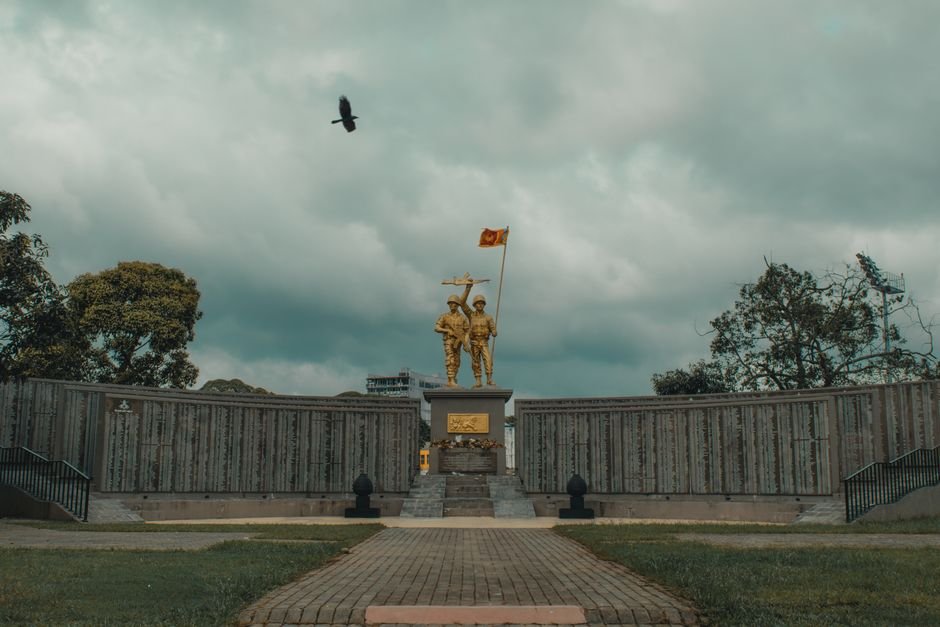
In a poignant commentary on Sri Lanka’s ongoing post-war struggles, commentator Abbi Kanthasamy highlights a critical barrier to national reconciliation: the state’s persistent suppression of the Tamil minority’s right to mourn their war dead. Over fifteen years after the conclusion of the long civil war, restrictions on Tamil memorial events reflect a deep-seated reluctance to address the roots of ethnic trauma.

Key Highlights
- Suppression of Memorials: Tamil communities continue to face legal barriers, police intimidation, and military presence when attempting to honor fallen relatives.
- Barriers to Reconciliation: Denying the right to collective grief prevents genuine national healing and further alienates minority populations.
- Human Rights Mandate: Rights advocates emphasize that recognizing memory rights is an essential pillar of transitional justice and lasting peace.
The conclusion of Sri Lanka’s civil war in 2009 brought military hostilities to an end, yet the struggle over historical memory remains intense. For the Tamil population in the north and east, honoring lost family members during annual remembrance periods is a deeply personal and cultural necessity. However, state authorities have routinely viewed these commemorations through a security lens, frequently banning public gatherings and dismantling physical memorial sites.
As Kanthasamy emphasizes, attempting to erase collective memory—symbolically burying the dead a second time—only serves to deepen historical grievances. True national unity cannot be built on the enforced silence of one community. International observers and human rights advocates maintain that until Sri Lanka permits all its citizens the dignity of public grief and remembrance, the foundation for sustainable peace will remain fragile.