
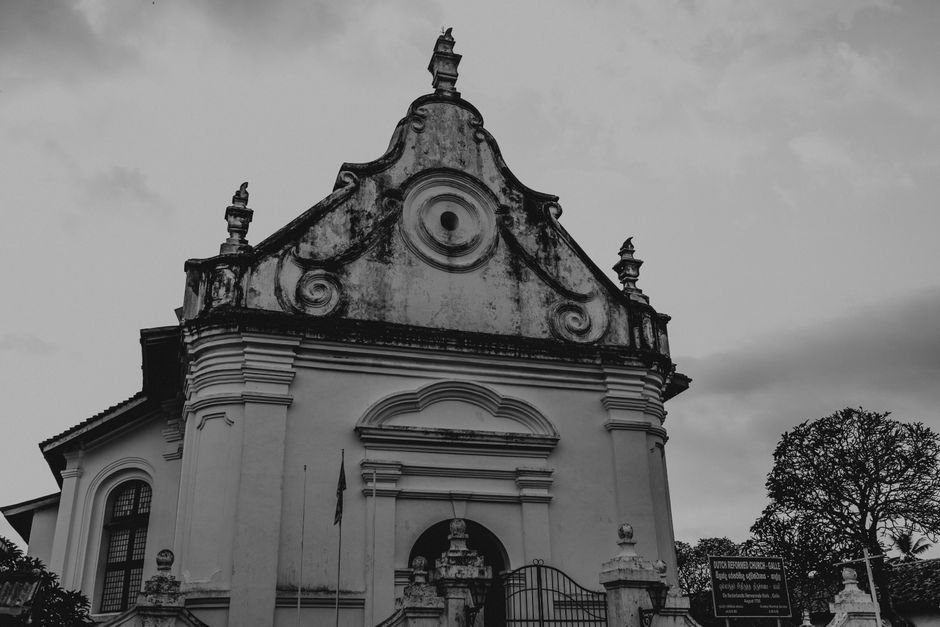
Sri Lanka’s Christian community is facing increasing pressures as two distinct forms of nationalism—majority Sinhala-Buddhist nationalism and regional Tamil Hindu nationalism—continue to shape the country’s socio-political landscape. Religious freedom advocates warn that Christians across the island nation are increasingly caught between these competing ethno-religious movements.

Key Highlights
- Sri Lanka’s Christian minority faces growing social and political pressure from both Sinhala-Buddhist and Tamil Hindu nationalisms.
- Local congregations report administrative hurdles, social ostracization, and disruptions during religious gatherings.
- Human rights groups urge government authorities to uphold constitutional protections for religious freedom and minority rights.
In the southern and central regions of Sri Lanka, Sinhala-Buddhist nationalism remains a powerful social and political force. Minority Christian congregations in these areas often encounter administrative obstacles when attempting to establish places of worship, alongside pressure from local authorities and community leaders who view Christian activities through a nationalistic lens.
Meanwhile, in the northern and eastern provinces, Tamil Hindu nationalism presents a parallel challenge. As Tamil communities work to preserve their cultural and religious heritage following decades of civil conflict, local Christian groups and new converts frequently face societal pressure and suspicion from traditional socio-religious structures.
Advocacy organizations continue to call on the Sri Lankan government to enforce constitutional guarantees of freedom of religion and belief, emphasizing that protecting all faith communities is essential for long-term national reconciliation and social stability.