
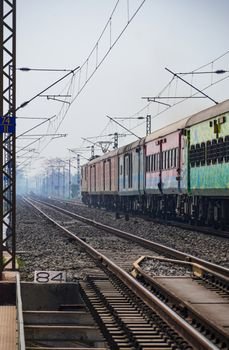
Revitalizing Sri Lanka’s Railway Network
In a significant move towards enhancing the country’s transportation infrastructure, Sri Lanka has imported 10,000 new rails from China to revamp its railway network. The Department of Railways announced that the first batch is expected to be released from the port today, marking a crucial step in their ongoing rehabilitation program.

Focus on the Coastal Line
Out of the imported rails, nearly 5,000 are earmarked specifically for upgrading the Coastal Line, which has been plagued by speed restrictions due to safety concerns. This replacement effort will concentrate on approximately 50 locations between Colombo Fort and Panadura, with the aim of improving the operational efficiency of the railway service.
Bridges and Infrastructure Upgrades
In addition to the rail replacements, the Department of Railways is set to initiate the construction and renovation of essential railway bridges as part of the broader rehabilitation initiative. With an investment estimated at Rs. 2 billion for this project, officials expect a significant reduction in daily train delays, enhancing the overall travel experience for commuters.
A Six-Month Timeline
The extensive rehabilitation work is projected to take about six months to complete. With this upgrade, the railways aim not only to boost punctuality but also to increase passenger safety across the network. This development comes as a part of Sri Lanka’s efforts to modernize its infrastructure amidst economic challenges, signaling a commitment to improving public transportation in the region.
Looking Ahead
The introduction of new rails and the development of infrastructure reflect the Sri Lankan government’s proactive stance on revamping essential services. By investing in the railway system, authorities hope to stimulate economic growth, enhance connectivity, and ultimately deliver a better service to the public.
As the country gears up for this significant transformation in its railway sector, the focus will remain on timely completion of the project and ensuring that disruptions to services are kept to a minimum during the rehabilitation period. The success of this initiative could herald a new era for Sri Lanka’s railways, fostering increased confidence in public transport.