
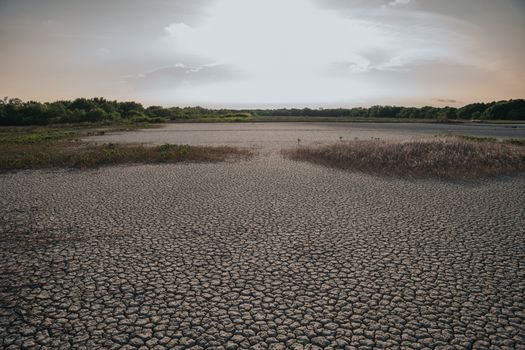
El Niño-Induced Drought Affects Over 81,000 in Sri Lanka
A severe drought exacerbated by the El Niño weather phenomenon has left 81,605 individuals from 25,563 families grappling with water shortages across seven districts in Sri Lanka. This alarming situation has prompted the Defence Ministry to act swiftly, issuing a circular aimed at ensuring continuous water supply to the hardest-hit communities.
Government Measures to Combat Water Shortages
Environment Minister Dr. Dammika Patabendi announced that the circular, issued on August 6, includes modifications to existing laws designed to facilitate quicker responses to drought-related challenges. “The measures we are implementing are intended to enhance our preparedness for the consequences that future El Niño events may have on our water resources,” he stated during a recent media briefing.
According to the National Disaster Relief Services Centre, the impacted districts include Ampara, Polonnaruwa, Batticaloa, Badulla, Monaragala, Hambantota, and Ratnapura. With conditions worsening, the government has increased the daily water allocation for drinking and sanitation from six liters to 15 liters per person.
Proactive Steps: Water Supply and Relief Fund
To counter the urgent need for water, a total of 324 water bowsers are currently being deployed to affected areas, with additional support from local authorities and security forces if necessary. The government has established a committee comprising essential local officials, including the Divisional Secretary and Public Health Inspector, to assess and manage water distribution effectively.
In a significant financial move, Rs. 4.8 billion has been allocated from the national budget to provide relief for families suffering from drought conditions and manage the potential aftermath of any heavy rains. Senior Assistant Secretary of the National Disaster Relief Services Centre, Prageeth Danansooriya, emphasized the importance of maintaining communication between residents and their Grama Niladhari for assistance amid the crisis.
Community Resilience Amid Ongoing Challenges
While the government has laid out extensive plans to address the pressing water issues, it remains crucial for families to engage with local leadership to navigate this challenging period effectively. The authorities are also actively recruiting temporary staff to assist in water distribution efforts if logistical constraints arise.
The current situation serves as a challenging reminder of the impacts of climate change, as Sri Lanka prepares for not just the immediate effects of El Niño but its potential long-term implications on water resource management. It is imperative that both the government and local communities work collaboratively to ensure sustainability and resilience against future environmental challenges.