
Challenges Facing Sri Lankan Tamil Refugees in India
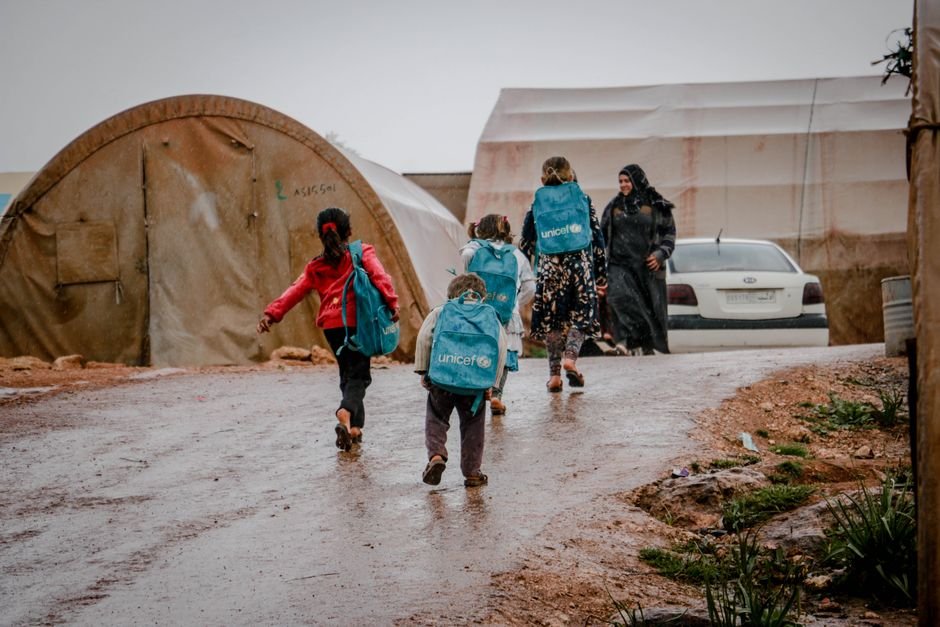
Sri Lankan Tamil refugees living in India face a complex web of challenges as they contemplate their futures. With over 62,000 Tamil refugees residing in 107 camps across Tamil Nadu and nearly 37,000 living outside of them, the issues surrounding their integration or repatriation are more pressing than ever. Many of these refugees feel trapped in a state of limbo, caught between two nations that have historically neglected their needs and desires.

The Limbo of Statelessness
Despite being entitled to residence visas and work permits, the prolonged existence in refugee camps has not fostered resilience or empowerment. A significant portion of the refugee population, particularly the youth, wishes to shed the ‘refugee’ label, believing that doing so would improve their societal positioning and quality of life. This yearning for identity underscores a broader issue: the psychological toll of statelessness and the enduring stigma attached to it.
Options for the Future: Repatriation versus Integration
Current viable options for these refugees are either repatriation to Sri Lanka or local integration into Indian society. Resettlement has become an impossibility, with the UNHCR directing its resources towards more vulnerable populations. However, the decision-making process surrounding whether to return or remain is clouded by uncertainty and fear. Many refugees harbor worries about returning to a homeland where socio-economic and ethnic tensions persist.
Information Deficit and Misinformation
Access to truthful and comprehensive information is vital for informed decision-making regarding repatriation. Currently, the Indian government is relatively reticent in providing updates about conditions in Sri Lanka, often leaving refugees reliant on potentially biased accounts from Sri Lankan organizations or relatives still residing in Sri Lanka. The lack of credible research regarding the aspirations of these refugees further complicates this situation, as needs and desires may vary greatly among different groups within the Tamil refugee population.
Repatriation Logistics and Challenges
The logistics of repatriation also pose significant challenges. Currently, the UNHCR offers repatriation services via air, with a baggage allowance as limited as 60 kilograms. This logistical constraint, coupled with accumulated belongings over years in exile, deters many from opting to return. Furthermore, reports indicate that many refugees find their lands occupied by government or military operations upon return, complicating their reintegration into society.
Access to Livelihoods
A critical concern for these refugees is the ability to earn a living upon return. While various skill training programs in India have instilled confidence and self-reliance, significant apprehension remains regarding the economic opportunities in Sri Lanka. A refugee woman’s story illustrates this fear as she describes how small-scale entrepreneurship has allowed her to escape traditional roles, only to worry about her ability to rebuild that success in an uncertain economic climate.
Educational Aspirations and Discrimination
Education is another cornerstone concern, particularly for refugees wanting to provide their children with better opportunities. Many parents favor continuing their children’s education in India due to perceived discriminatory practices against Tamils in Sri Lanka’s higher education system. This fear of educational marginalization further entrenches the dilemma of whether to return or integrate.
Recommendations for a Strategic Approach
Addressing the challenges faced by these refugees demands a nuanced and collaborative approach. UNHCR needs to act as a consultant to the Indian government to design strategic citizenship plans for refugees wishing to stay in India. By facilitating a pathway to citizenship, the government could potentially close refugee camps, saving approximately $17 million annually, which could be reinvested in developing small business opportunities that would also benefit local Indian communities.
A Collaborative Repatriation Plan
Simultaneously, a responsible repatriation plan in collaboration with the Sri Lankan government is essential for ensuring physical security, land access, and livelihood opportunities for returnees. Education continuity, including the recognition of qualifications gained in India, must be a priority in any repatriation framework. Young refugees need updated skills training aligned with market demands, assisting in their effective integration into a recovering economy.
Conclusion: Pathways to a Better Future
The situation for Sri Lankan Tamil refugees in India is one fraught with complex challenges and choices. A collective effort focusing on informed decision-making, community engagement, and strategic governmental frameworks could pave the way for a safer and more assured future for these individuals. Whether they choose to return home or remain in India, prioritizing their voices and aspirations is vital to ensuring their dignity and well-being.