
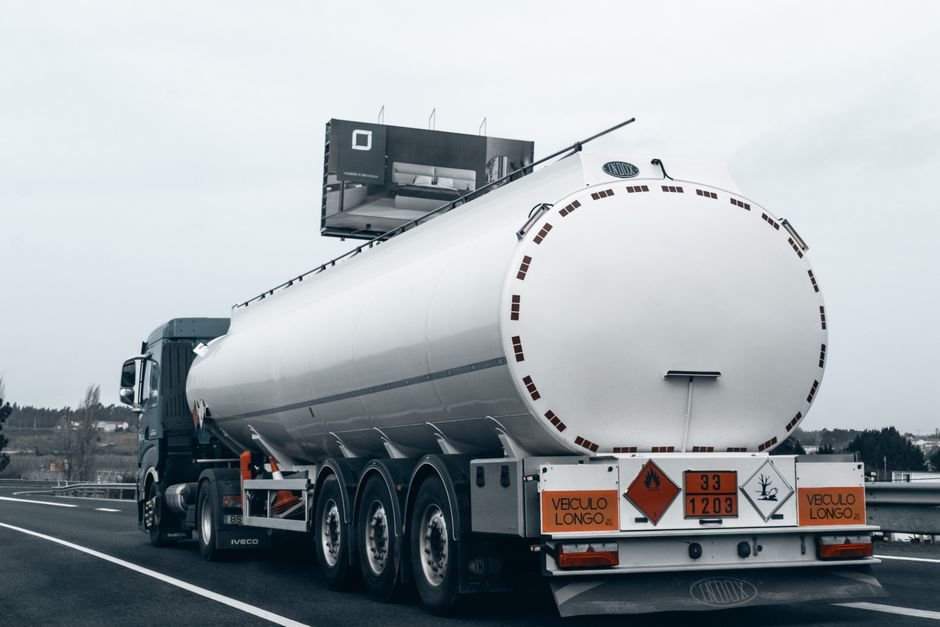
Sri Lanka’s Cabinet Approves Long-Term Fuel Contracts: Strategic Move or Oversight?
On August 11, 2026, Sri Lanka’s Cabinet sanctioned long-term contracts for the supply of petrol, diesel, and crude oil, effectively securing these essential resources through February 2027. This decision, presented by the Minister of Energy, aims to ensure uninterrupted energy supplies, a critical factor for the nation moving forward.

Details of the Contracts
According to government announcements, the contracts were awarded through Limited International Competitive Bidding, with a total of four bids received for both the Petrol 92 and Murban crude oil procurements, alongside six bids for the diesel supply. This competitive approach may suggest an effort to drive down costs and enhance supply reliability amidst a backdrop of global market volatility.
Critical Analysis of the Strategic Decision
While the approval of these contracts appears to be a strategic move by the government to stabilize the energy sector, several critical angles merit examination. First, the adequacy of the bidding process raises questions. With only a handful of bids, one could argue that this lack of competition risks limiting the potential for better pricing or innovation in the energy supply chain. In an era where energy needs are dynamically evolving, relying on a constrained number of suppliers may not be prudent.
Furthermore, the timing of these contracts is crucial. Given the recent history of energy shortages in Sri Lanka, stemming from a combination of economic challenges and geopolitical tensions in oil-producing regions, this Cabinet decision may also reflect a reactive stance rather than a proactive long-term strategy. Will these contracts be sufficient to shield the nation from future disruptions, or do they merely delay the inevitable uncertainty?
The Bigger Picture: Economic Implications
The energy sector is the backbone of any economy, and a stable supply of fuel is directly correlated with economic growth and public welfare. The adequacy of these enhancements to energy supply contracts can be assessed against the backdrop of broader economic recovery efforts in Sri Lanka. As the country continues to navigate post-crisis recovery, ensuring a dependable energy supply must be tied to comprehensive policy frameworks that promote efficiency and sustainability.
In conclusion, while the Cabinet’s approval of these long-term fuel contracts marks a step towards securing necessary energy supplies for Sri Lanka, it also encapsulates a broader conversation about competition, innovation, and strategic foresight in energy procurement. Without addressing these angles, the government risks facing further hurdles in securing not just energy, but economic stability in the years to come.