
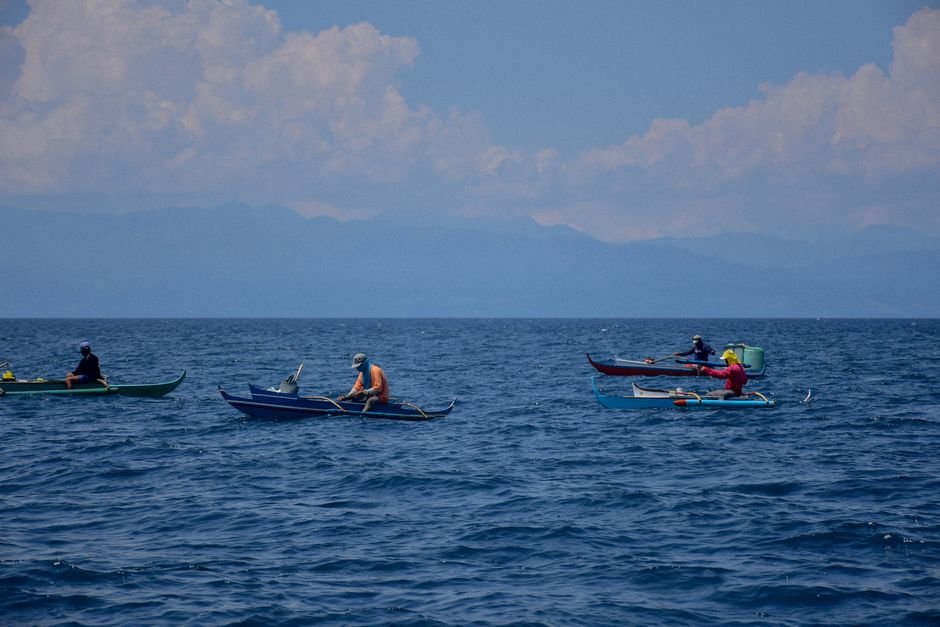
Ongoing Tensions: Arrest of Indian Fishermen by Sri Lankan Navy
In a recent incident that underscores the persistent tensions between India and Sri Lanka, eleven Indian fishermen from Tamil Nadu’s Ramanathapuram district were arrested by the Sri Lankan Navy on August 6, 2026. This event was marked by claims that the fishermen had violated the International Maritime Boundary Line (IMBL), leading to their detention and the seizure of their mechanized fishing boat. The situation has raised alarms among the fishing community in Tamil Nadu, who rely heavily on the Palk Bay for their livelihoods.

The Incident: Details and Implications
According to Tamil Nadu Chief Minister C Joseph Vijay, the fishermen’s boat encountered mechanical failure, which resulted in it running aground near Neduntheevu. The timing of this incident is particularly troubling; frequent detentions of Indian fishermen in this region have caused significant distress within the local fishing community. The Chief Minister has appealed to External Affairs Minister S Jaishankar to ensure the fishermen’s swift release and emphasize the importance of diplomatic intervention in such matters.
This episode is not an isolated occurrence. The recurring arrests serve as a poignant reminder of the complex interplay between maritime rights, national sovereignty, and the everyday realities of those whose lives are deeply intertwined with fishing. For communities in Tamil Nadu, such incidents disrupt not only their economic activities but also instigate broader existential concerns regarding their rights to operate in traditionally contested waters.
Diplomatic Avenues and Recommendations
In his communication, Chief Minister Vijay urged for a revival of bilateral dialogues through a Joint Working Group (JWG) as a means to address these recurring conflicts. The resolution of such disputes is crucial, not only to restore normalcy for the fishermen but also to foster a more stable diplomatic relationship between India and Sri Lanka. The persistence of these issues points to a lack of effective communication strategies and agreements that could mitigate misunderstandings on both sides.
The fishermen’s predicament raises critical questions about maritime governance and the mechanisms in place to protect the rights of vulnerable communities. While the actions of the Sri Lankan Navy might ostensibly be based on legal grounds, the broader implications of these arrests suggest a pressing need for a cooperative framework that prioritizes the livelihoods of fishermen as well as diplomatic relations between nations.
Conclusion: A Call for Comprehensive Solutions
The arrest of these eleven fishermen illustrates deeper socio-political dynamics that cannot be overlooked. It is vital that both India and Sri Lanka take meaningful steps towards a resolution that acknowledges the historical and cultural ties of fishing communities across maritime boundaries. As this incident unfolds, the rice bowl of many Tamil Nadu fishermen hangs in the balance, urging policymakers to prioritize dialogue and cooperative maritime interactions that transcend traditional geopolitical disputes.