
Yunnan’s Botanical Garden: A Model for International Biodiversity Conservation
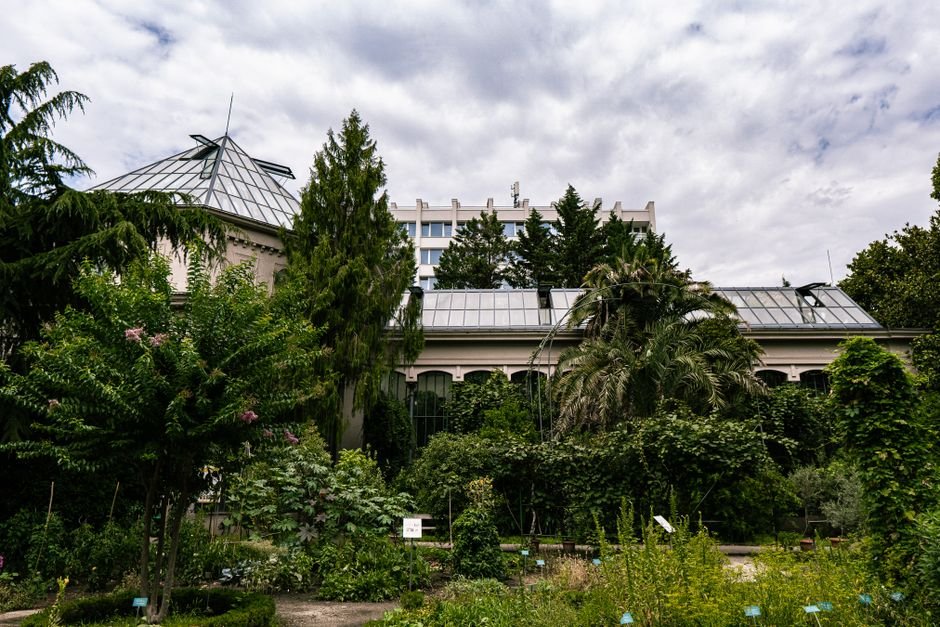
The Xishuangbanna Tropical Botanical Garden (XTBG) in Yunnan province stands at a unique crossroads, linking ambitious biodiversity goals with tangible outcomes. Encompassing 1,125 hectares, of which 250 hectares are intact primary rainforest, the garden is home to over 14,000 plant species, making it an essential research hub for tropical biodiversity. As visitors marvel at the picturesque water lily ponds, a deeper narrative unfolds about international conservation efforts that are being advanced from this botanical enclave.

Connecting Continents Through Conservation
Under the auspices of the Chinese Academy of Sciences, XTBG plays a pivotal role in bridging conservation initiatives across Asia. Notably, the garden fosters international cooperation, with 111 researchers and students collaborating to tackle biodiversity issues not just in China, but across the continent. Jose Ahimsa Campos-Arceiz, leading the Wildlife Interactions & Conservation team at XTBG, views the institution as “a very good bridge” for conservation efforts. His team investigates the intricate relationship between ecological health and the survival of large mammals like the Asian elephant — a species central to Yunnan’s environmental fabric.
The Asian Elephant and Its Habitat
China’s strides in Asian elephant conservation cannot be overstated. The wild population has nearly tripled from about 150 in the 1980s to close to 400 today, substantially attributed to investment in conservation infrastructure and funded programs. The country’s commitment is evident through the establishment of 11 nature reserves dedicated to protecting vital elephant habitats. In Yunnan alone, over 800 hectares have been designated to cultivate vegetation that supports the elephants, affirming a proactive approach to wildlife management that merges ecological restoration with socioeconomic considerations.
Learning from Experience: A Two-Way Street
The XTBG’s influence extends beyond China’s borders. Campos-Arceiz’s team’s recent intervention in Sri Lanka demonstrates the garden’s role in shaping global conservation strategies. By utilizing advanced vegetation planning techniques, XTBG offers sustainable solutions to resolve human-wildlife conflicts, essential in regions like Sri Lanka, where leopards’ habitats overlap with economically vital tea plantations. The collaborative approach, which involves restoring native resources while preserving animal corridors, exemplifies how lessons learned from one context can be adapted to tackle challenges elsewhere.
Training the Next Generation of Conservationists
Beyond executive functions, XTBG embodies a vital training ground for future leaders in ecology. By regularly enrolling master’s and doctoral students from South and Southeast Asia, the garden is not merely a site for research but a catalyst for a new generation of scientists. Indonesian postdoctoral researcher Try Surya Harapan’s framework for mitigating human-wildlife conflict is a case in point, as the knowledge absorbed at XTBG is instrumental in informing Indonesia’s national conservation policy.
Building a Globally Connected Hub
At the heart of XTBG’s mission is the establishment of extensive international partnerships. With ties to over 50 countries, the botanical garden facilitates collaborative projects that tackle diverse issues, from rainforest restoration to rare species conservation. The bilateral agreements and memoranda with more than 20 partners across Asia, Europe, and Oceania highlight its role as a critical player in the global dialogue on biodiversity conservation.
A Blueprint for the Future
XTBG’s alignment with China’s broader ecological objectives showcases the integration of environmental stewardship into national policy. The garden’s commitment is consistent with China’s five-year development plans, aiming for a “Beautiful China” through systematic ecological improvements. As Campos-Arceiz suggests, the long-term impact of XTBG’s international talent-training model will crystalize over the next 20 to 30 years, when returning scholars reinforce local capacities in their home countries.
Yunnan’s botanical garden not only serves as a vital ecological research center but also as a beacon for collaborative conservation efforts across borders. Its innovative programs and interdisciplinary approach to biodiversity preservation provide a compelling case for how local initiatives can address global challenges in wildlife conservation.