
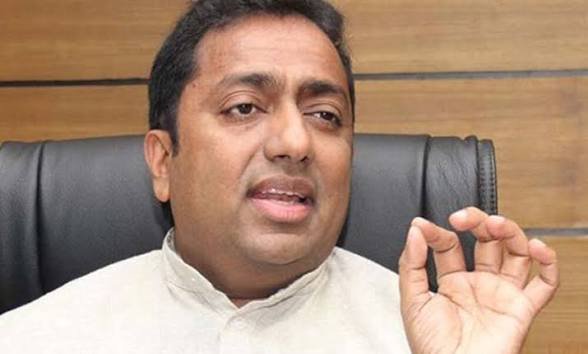
Former Minister Akila Viraj Kariyawasam Arrested Amidst Corruption Probe
In a surprising turn of events, former Minister Akila Viraj Kariyawasam was arrested this morning after arriving to provide a statement at the Commission to Investigate Allegations of Bribery or Corruption. The arrest comes in light of serious allegations that he misused his position during his tenure as an adviser to former President Ranil Wickremesinghe.

According to reports, Kariyawasam is under investigation for allegedly diverting public resources for personal use. Specifically, he is accused of assigning two employees from the Presidential Secretariat to work at his private office. This kind of alleged misuse raises questions about accountability in high-ranking government positions and whether the extensive powers given to such officials can lead to corruption.
Implications of the Arrest
This incident is not merely an isolated event but rather a reflection of the ongoing scrutiny of public officials in Sri Lanka amid heightened public concern over corruption. Citizens, weary from similar scandals, expect rigorous action against officials who overstep their bounds.
The arrest of Kariyawasam follows a pattern of increased vigilance by Sri Lanka’s anti-corruption bodies. The Commission has ramped up its efforts to hold public figures accountable, signaling a significant commitment to restoring integrity in governance. However, it remains crucial for the Commission to ensure that investigations are thorough and transparent, thereby fostering trust among the public.
A Broader Context
The political landscape in Sri Lanka has been tumultuous, marked by allegations of mismanagement and bribery that have plagued various administrations. Kariyawasam’s case underscores the ongoing battle against corruption that both the government and citizenry are keenly aware of. As the nation navigates these challenges, public accountability remains a pressing issue that requires both legislative and judicial scrutiny to ensure that similar incidents do not recur.
As developments unfold, observers will be watching closely to see how the Commission handles Kariyawasam’s case and what ramifications it may have for the broader political climate in Sri Lanka. The outcome could set a precedent for how corruption cases are treated moving forward, potentially influencing the trust the public places in governance.
For now, as the former minister faces legal challenges, the case serves as a reminder of the importance of ethical conduct in public office and the necessity for robust oversight mechanisms in a democratic society.