
Sri Lanka’s Struggles: The Cost of Nature’s Fury
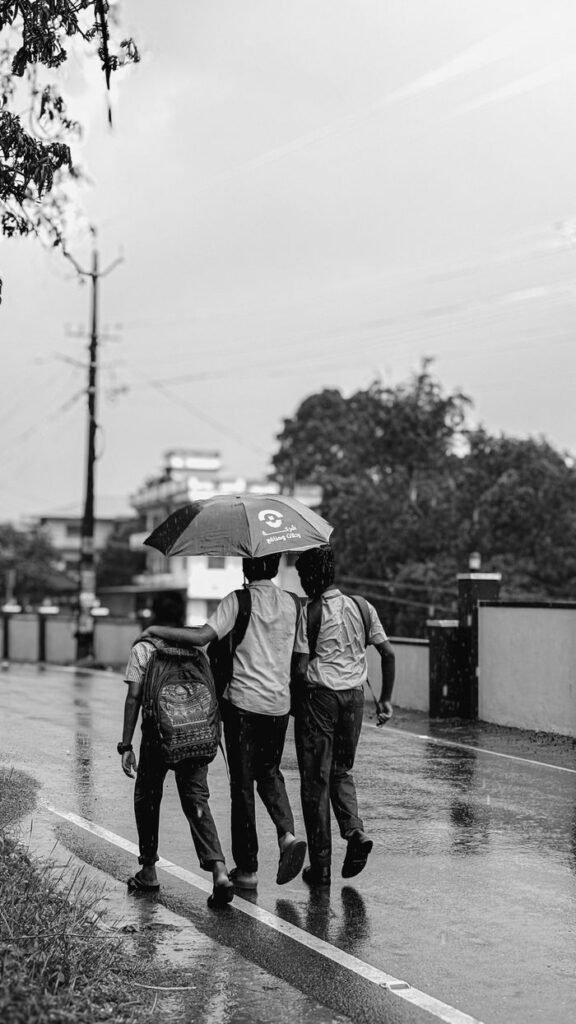
The recent closure of schools in Sri Lanka’s tea-growing mountainous regions highlights the increasing vulnerability of the nation to extreme weather events. Heavy rains have triggered floods and mudslides, resulting in five tragic fatalities and three injuries, while two individuals remain missing. These figures, as reported by the government’s Disaster Management Center, underscore a grave situation that demands immediate attention and strategic response.

The Impact of Severe Weather
In just two days, torrential downpours wreaked havoc across many areas, flooding homes, fields, and roads. The response from the military, with the deployment of navy and army troops to conduct rescue operations, points to a dire need for effective emergency preparedness in the face of such natural disasters. Images from local media showcase troops and civilians in the trenches, working tirelessly to save those trapped by rising waters and aggressive mudflows. This immediate response, while commendable, raises questions about the long-term disaster preparedness strategies in place.
A Nation in Recovery
Adding further gravity to the situation is the context of Sri Lanka’s ongoing recovery from Cyclone Ditwa, a disaster that claimed nearly 640 lives and affected two million people last November, resulting in an estimated $4.1 billion worth of damages. The Central province, bearing the brunt of that cyclone, struggles to rebuild essential infrastructure such as roads and railways. The compounded devastation from successive natural disasters reveals a pattern that speaks to systemic vulnerabilities within the region.
The Cycle of Destruction
Mudslides and floods are not rare occurrences in Sri Lanka; rather, they are part of an annual cycle that inflicts severe damage on livelihoods and property. The central hill region is particularly susceptible to these disasters during the monsoon season, with floods typically overwhelming lower-lying areas. Reports indicate that 129 homes have been damaged by the recent rains, forcing nearly 2,000 people to evacuate. This alarming rate of evacuation illustrates the pressing need for improved housing and infrastructure that can withstand such climatic extremes.
Looking Ahead: Strategic Planning Required
The events of the past days should catalyze a re-evaluation of Sri Lanka’s approach to natural disasters. As the country faces varying repercussions from climate change, a shift in policy towards proactive disaster management and infrastructure resilience is essential. The reliance on military intervention for immediate rescue operations cannot be the primary strategy moving forward. The government must prioritize developing sustainable practices that not only mitigate disaster impacts but also enhance community resilience against future weather-related crises.
Ultimately, the tragic events in Sri Lanka serve as a reminder of both the immediate dangers posed by extreme weather and the long-standing need for strategic foresight in disaster preparedness and response. Without a concerted effort to address the underlying vulnerabilities that contribute to such tragedies, the cycle of destruction will continue to repeat, costing lives and resources that the nation can ill afford to lose.