
Tragedy and Chaos: The Latest Prison Riot in Sri Lanka
A violent riot erupted at Mahara Prison near Colombo on August 1, resulting in the death of one inmate and injuries to six others. This incident marks yet another chapter in the turbulent saga of Sri Lanka’s overcrowded prison system, which has faced intense scrutiny in recent months.

The Immediate Aftermath
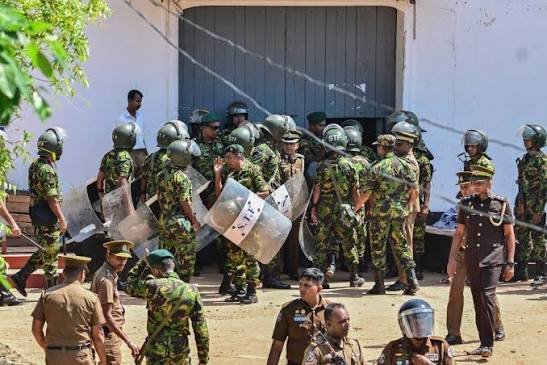
According to police reports, the unrest began in the early hours of Saturday and quickly escalated, prompting the deployment of additional police units and Special Task Force commandos to secure the prison perimeter. While they were not deployed inside, their presence underscores the severity of the situation. As details emerged, it was confirmed that one of the seven wounded inmates had succumbed to injuries; the others were hospitalized for treatment.
This riot follows a particularly bloody uprising in July, which left 10 guards and 21 inmates dead. Such violence reflects a deep-rooted crisis in Sri Lanka’s incarceration facilities, where overcrowding has reached alarming levels. Official figures reveal prisons operating at nearly four times their intended capacity—an issue that has escalated to critical levels.
A History of Unrest
The Mahara Prison is no stranger to disturbances. A similar riot occurred during the Covid-19 pandemic in December 2020, causing the deaths of 11 inmates and wounding 117. The government’s response at that time included the release of hundreds of inmates to alleviate overcrowding. Yet, the recent episode indicates that these measures have been insufficient to address the systemic failures that plague Sri Lankan prisons.
The Government’s Response and Challenges Ahead
In the wake of the Negombo riot earlier this month, the authorities announced plans to convert disused state buildings into additional prison facilities. However, these plans remain unimplemented, further exacerbating the crisis. The immediate need for effective strategies to mitigate overcrowding and improve living conditions is clear. Continuing to ignore these issues could lead to more tragedies like those witnessed in recent years.
The Call for Reform
There is a pressing need for comprehensive reform within the Sri Lankan penal system. Efforts must extend beyond immediate security measures. Addressing the root causes of violence in prisons—such as living conditions, access to rehabilitation, and treatment of inmates—will require concerted action from all levels of government. Failure to act could perpetuate a cycle of violence and tragedy that ultimately affects not just the inmates, but society as a whole.
Conclusion
The recent riot at Mahara Prison is a stark reminder of the systemic flaws within Sri Lanka’s justice system. It highlights an urgent need for reform to prevent future incidents of violence. With prisons operating at unsustainable levels of overcrowding, the government must prioritize long-term solutions to restore order and dignity within its correctional facilities.