
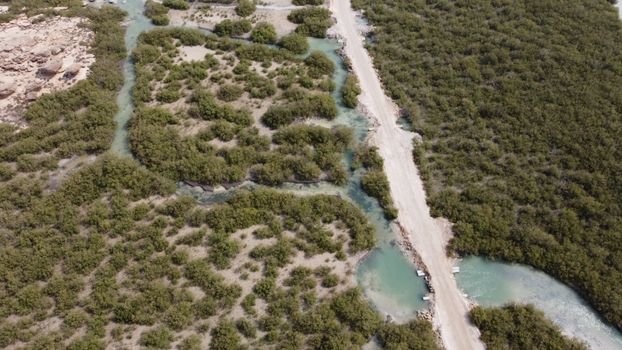
Mangrove Reforestation Efforts in Sri Lanka: A Critical Necessity
The recent mangrove reforestation initiative in Muthurajawela aligns with the celebration of UNESCO’s World Mangrove Day. While the event highlights crucial environmental efforts, it also begs for a deeper discourse regarding the urgency and effectiveness of such undertakings in safeguarding these vital ecosystems.

The Significance of Mangroves
Mangrove forests, despite making up only 0.3 percent of Sri Lanka’s land area, represent an essential buffer against climate change, erosion, and biodiversity loss. As environmentalist Dinusha Nanayakkara articulates, these ecosystems are pivotal in absorbing carbon dioxide and releasing oxygen, therefore diminishing the effects of global warming. The emphasis on a “sustainable blue economy” during this year’s World Mangrove Day illuminates the potential of mangroves to protect coastal communities while promoting economic viability.
A Collective Responsibility
According to Diluka Mahawatta, leader of Lions Club District 306 D4, the current threats to mangrove forests from rapid destruction worldwide compels collective action. It is indeed alarming that Mangrove systems are not only essential for environmental health but face drastic reductions due to industrial and urban encroachment. Mahawatta states that it is everyone’s duty to contribute to the protection of these systems. Such a strong call to action raises salient questions regarding government policies and the systemic neglect that allows for such destruction.
Correcting Misguided Practices
Nanayakkara also issues a critical warning against ineffective reforestation practices. He notes the danger of organizations uprooting healthy young trees from established mangrove areas to be relocated in unsuitable conditions. This practice often results in fatalities for the transplanted trees and diminishes the integrity of original habitats. He firmly argues that the priority must focus on preserving existing mangrove forests and adhering to scientific reforestation methods, a perspective that seems starkly underrepresented in broader environmental narratives.
The Role of Education
Education plays a vital role in ensuring the longevity of these ecosystems. Nanayakkara emphasizes the importance of fostering an interest in mangroves from a young age, hinting at long-term sustainability as a goal that demands immediate educational interventions. This approach points to a larger issue of environmental literacy that must bridge gaps across generations for effective conservation efforts.
Conclusion: Toward a Sustainable Future
The endeavor to replant mangroves in Muthurajawela is laudable, yet it serves as a stark reminder of the battles still ahead. As climate change escalates and ecological degradation continues unabated, these proactive measures must be accompanied by a comprehensive and strategic plan that addresses policies, practices, and public engagement. The survival of mangroves and the cultural heritage they support rests not only on planting initiatives but also on the broader societal commitment to protect, educate, and innovate in the realm of environmental conservation.