
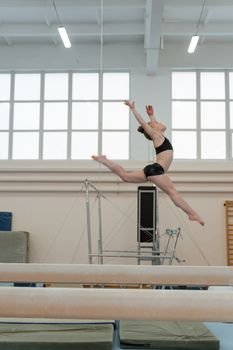
Artistic gymnast Sumanasekera’s transition to represent Sri Lanka illustrates a broader narrative of national pride and the quest for athletic inspiration at a time when youth engagement in sports is critical. As the Glasgow 2026 Commonwealth Games loom on the horizon, Sumanasekera’s choice to return to his roots could catalyze a new generation of athletes in a country where resources for training and competition often fall short.

This switch is not merely a personal choice but a strategic move aimed at rekindling national enthusiasm for traditional sports. The opportunity for the next generation to witness a local figure competing on such a significant international stage could amplify interest in gymnastics, a sport that, despite its challenges, offers tremendous developmental perks, including discipline, coordination, and confidence.
However, the effectiveness of this inspiring narrative hinges on the systemic support Sumanasekera receives upon his return. The history of athletic programs in Sri Lanka has been fraught with challenges—financial constraints, inadequate training facilities, and limited access to coaching resources hinder potentially successful athletes. As Sumanasekera attempts to galvanize youth interest, he will also contend with these longstanding issues that threaten to stifle promise before it even gets a chance to blossom.
Implicit in Sumanasekera’s ambitions is the need for a robust infrastructure capable of nurturing talent. The Sri Lankan sports framework must address these gaps, not only to support Sumanasekera but also to ensure that the impact of his switch resonates in a meaningful way. It is ambition and resilience that draws attention, but without accountability and governmental investment, even the most inspiring story risks becoming a fleeting moment rather than a foundation for sustained growth.
Looking to Glasgow, the Commonwealth Games represent a golden opportunity—both for Sumanasekera and for the sport of gymnastics in Sri Lanka. If significant engagement from the sporting community and government stakeholders can be secured, the hope is that Sumanasekera’s journey will not only inspire but also instigate the necessary reforms that could empower future athletes.
National representation holds great potential for igniting passion in sports, but it remains critical to align that narrative with actionable support mechanisms. A single gymnast cannot shoulder the aspirations of an entire nation alone—Sumanasekera’s switch serves as a reminder of the collaborative efforts required to foster sporting excellence. The upcoming Games might just be the stage where both athlete and nation can redefine what is possible, assuming systemic barriers are addressed in time.