
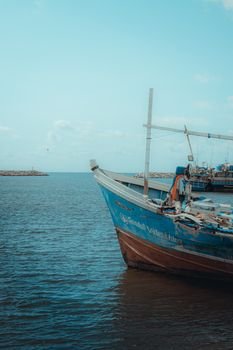
The detention of nine Indian fishermen by the Sri Lankan Navy underscores the persistent tension in maritime relations between India and Sri Lanka. This incident not only highlights the ongoing disputes over territorial waters but also raises critical questions about the implications for regional cooperation and the livelihoods of those directly affected.

At the heart of the issue is the fishing rights dispute, a longstanding point of contention between the two nations. Fishermen often find themselves caught in the crossfire of national policies and enforcement, risking their lives and livelihood for what has become a systemic strife. With nine fishermen detained recently, this event is yet another chapter in a history rife with arrests and diplomatic back-and-forth.
Such incidents exacerbate existing anxieties within the fishing communities, where livelihoods depend heavily on unfettered access to marine resources. The fishermen’s predicament reflects a broader narrative of nationalistic policies that occasionally come at the expense of individual welfare. As reports of detentions emerge, the question remains: how much longer can these communities endure the economic strain while navigating increasingly hostile maritime boundaries?
Furthermore, the issue is compounded by the geopolitical dynamics of the Indian Ocean region. Sri Lanka’s enforcement actions might be perceived as asserting national sovereignty, but they also risk alienating fishing communities who depend on cross-border fish stocks. Instead of fostering cooperation, these disputes can lead to enmity and exacerbate the humanitarian plight of communities dependent on fishing.
The Australian and South African fishing policies should serve as reference points. These countries have implemented international agreements aimed at mitigating territorial disputes while protecting the livelihoods of local fishing populations. In contrast, the approach taken by India and Sri Lanka appears to lack a strong commitment to collaborative management of shared marine resources.
The international community has a role to play here. Both nations could benefit from involving neutral third parties to mediate discussions, seeking solutions that honor both sovereign claims and the reality of shared resources. Continued bravado on either side could lead to further confrontations, but more crucially, it risks straining relationships that historically have allowed for dialogue and cooperation.
The plight of the nine detained fishermen is far more than a simple detainment issue; it is emblematic of the larger maritime disputes that continue to engulf the region. To find a way forward, it’s imperative that both nations reconsider their stance and engage in constructive dialogue aimed at addressing the root causes of these tensions. Without a concerted effort to reconcile differences, the cycle of confrontation and resentment is likely to continue, leaving innocent fishermen ensnared in a struggle that extends beyond their control.