
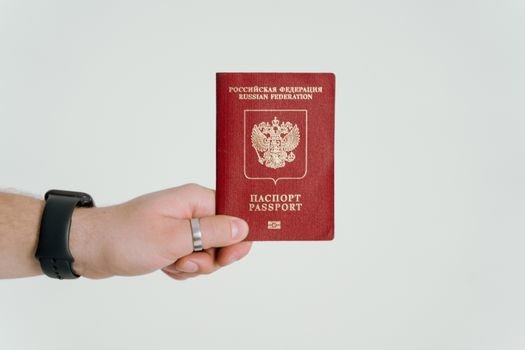
In recent developments, officials have dismissed claims suggesting that France denied a visa to the Sri Lankan leader prior to an anticipated state visit. This denial comes amid heightened scrutiny on diplomatic relationships, especially given the context of global geopolitics where such matters can sway public perception and political narratives.
Understanding the implications of this rejection sheds light on the ever-turbulent waters of international diplomacy. Reports of visa refusals can often serve as a lightning rod for negative sentiment, not only stirring rumors but also influencing bilateral relations. The audacity of misinformation in such critical moments cannot be overlooked. A false narrative around a high-profile leader’s travel can erupt into a diplomatic incident, showcasing the underlying fragility of international cooperation in a climate rife with mistrust.
France’s immediate repudiation of the false claim emphasizes the delicate balance at play. It underscores a commitment to maintaining diplomatic decorum while simultaneously addressing misinformation. For a leader of a nation currently facing its own set of socio-political challenges, the specter of visa complications could have had significant ramifications, potentially impeding vital discussions expected during the state visit.
The dynamics are compounded by the context of Sri Lanka’s recent turbulent history. With ongoing economic struggles that have reverberated through its socio-political landscape, the ability of its leadership to engage on the international stage is crucial. Assurance of unhindered diplomatic dialogue is paramount not only for Sri Lanka’s future negotiations but also for the broader international community’s understanding of regional stability.
The state visit represents more than just a diplomatic engagement; it is an opportunity for Sri Lanka to reinforce its place in a global tapestry increasingly defined by alliances and rivalries. Now, in the wake of this rejection of false claims, the Sri Lankan leader has an opportunity to shift focus back to substantive dialogue rather than sidetracked narratives. However, this incident reveals a deeper concern — the propensity for misinformation to shape public opinion and drive wedges in international relations.
As countries navigate the complexities of modern diplomacy, the need for factual clarity becomes even more critical. This scenario thus serves as a stark reminder for both governments and the public alike: vigilance against misinformation is not just a protective measure but a necessary component of global interaction. The ability to swiftly debunk false claims could very well safeguard the integrity of international relations moving forward.