
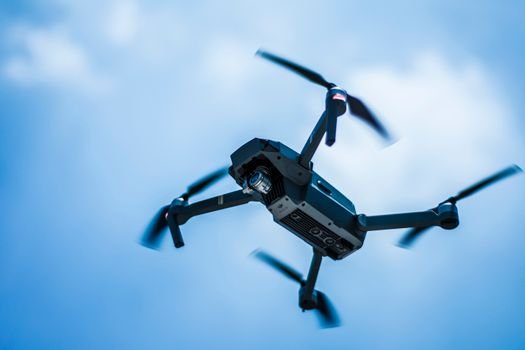
Sri Lanka is increasingly relying on air force drones as a strategic response to its escalating dengue outbreak. This move underscores both the urgent need for innovative measures in public health and the often-underestimated capabilities of technology in crisis management. As confirmed, the nation has faced a doubling of dengue cases, with reported infections rising from 18,000 in 2022 to an alarming 39,000 in 2023.

Dengue fever, transmitted via Aedes mosquitoes, is not a new adversary for Sri Lanka. Nonetheless, the surge in cases signals a dire public health crisis, with authorities noting a significant rise in both incidence and geographic spread. The decision to deploy drones for surveillance and monitoring exemplifies an intersection of traditional health responses with modern technology. Drones can provide real-time data and facilitate quicker responses in areas that are hard to access, highlighting an adaptive strategy in the face of a growing threat.
However, this innovative approach raises crucial questions about resource allocation and preventive measures. Relying on drones may appear high-tech and cutting-edge, but one must ask: why are we opting for surveillance rather than addressing the root causes such as stagnant water, ineffective waste management, and public awareness campaigns? Drones can indeed supplement traditional methods, but they cannot replace the foundational infrastructure that is necessary to combat vector-borne diseases effectively.
Moreover, the implementation of drone technology necessitates additional oversight and ethical considerations. The data collected by these drones must be handled transparently to ensure the protection of citizens’ privacy, particularly as drones take to the sky in densely populated urban areas. It’s imperative to balance technological advancement with civil liberties and ethical responsibility.
As Sri Lanka navigates this health crisis, the integration of drone surveillance should not serve as a distraction from the systemic issues that allow dengue outbreaks to proliferate. Instead, it should act as a catalyst for broader discussions on public health infrastructure, the environmental factors contributing to mosquito breeding, and the necessity of sustained community engagement in health practices. Addressing the immediate crisis through innovative technology is critical, but it should not overshadow the long-term strategies essential for preventing future outbreaks and fostering a healthier population.